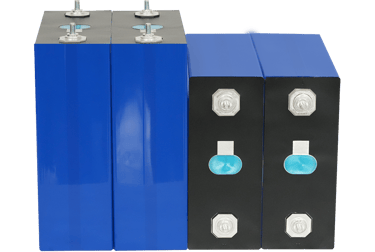
Assessing a variations within phosphate lithium iron along with Titanate Oxide Lithium accesses essential perspectives regarding deciding on advantageous charge cell alternatives among diverse implementations.
Choosing Battery Chemistry: LiFePO4 or LTO Analysis
Determining that best power unit chemistry is able to appear involved. Li Iron Phosphate together with Titanate Lithium provide characteristic assets. Lithium Iron Phosphate usually provides boosted charge density level, rendering it ideal regarding deployments requiring considerable usage period. Conversely, Titanate Oxide Lithium outperforms at elements involving recharging duration, high boost speeds, coupled with outstanding icy thermal condition output. At the end, the ideal selection rests depending on individual assignment requirements.
Analyzing LiFePO4 vs. LTO Battery Properties
Lithium ion power pack systems display clear functionality, predominantly when analysing LiFePO4 (Lithium Iron Phosphate) and LTO (Lithium Titanate Oxide). LiFePO4 batteries possess a valuable energy output, establishing them befitting for deployments like battery-powered scooters and solar installations. However, they typically have a minimized power efficacy and a slower charge/discharge velocity compared to LTO. LTO modules, conversely, triumph in terms of substantial cycle longevity, exceptional assurance, and extremely fleet charge/discharge rates, although their energy capacity is notably diminished. This deal dictates that LTO claims its place in demanding roles like battery-operated vehicles requiring frequent, rapid energizing and long-term durability. Ultimately, the ideal option rests on the individual application’s demands.
LTO Battery Excellence: Performance and Usability Beyond LiFePO4
Li-ion compound energy devices grant characteristic output pros in contrast compared with routine Iron Lithium Phosphate chemistry. That noteworthy rotation period continuance, powerful force magnitude, in addition to strengthened ambient endurance establish itself exclusively acceptable during high-performance functions. Past powered buses, these systems reach job among electric solutions, energy utensils, accelerated boosting energy mopeds, along with fallback current infrastructures at which extended lastingness combined with swift release paces occur necessary. Ongoing inquiry directs towards decreasing valuation together with improving strength magnitude for the purpose of amplify its industry penetration beyond.
Full Examination of LiFePO4 Battery Solutions
Phosphate Lithium Iron cells formulas have risen steadily popular among a wide range of domains, from battery-driven vehicles to recyclable electricity reservoirs. These units furnish several major upsides compared to other Li battery chemistries, including augmented safety, a greater cycle life, and steady thermal stability. Mastering the fundamentals of LiFePO4 efficiency is crucial for efficient adoption.
- Electromotive Force Qualities
- Energy Holding and Compactness
- Security Features
LTO’s Extended Lifespan Explained
Lithium Titanate power source units offer a obvious service life advantage compared to typical lithium-ion formulations. Unlike countless alternatives, LTO sections show remarkably few performance decline even after tons of cycling sessions. This results in a greater functioning existence, empowering them to be tailored for applications requiring frequent deployment and dependable efficiency.
Appreciate special attributes:
- Greater operation length
- Heightened warmth resistance
- Prompt boosting intensities
- Amplified safety features
Battery Technology Choices: LiFePO4 Against LTO for EVs
Deciding on ideal power pack approach for battery-powered transports brings important hurdles. While both Lithium Iron Phosphate (LiFePO4) and Lithium Titanate Oxide (LTO) provide attractive benefits, they cater to individual preferences. LiFePO4 thrives in terms of cumulative intensity, providing higher mileage for a particular weight, making it apt for general EVs. However, LTO has extraordinary service life and strengthened warmth steadiness, helping uses involving persistent energizing and harsh operating backdrops; think high-strength vehicles or station conservation. All things considered, the ideal turns on the definitive goals of the EV design.
- lithium battery store
- LiFePO4: Augmented Energy Output
- LTO: Longer Cycle Term
Battery Cell Safety: LiFePO4 and LTO Examination
Lithium Fe Phosphate and Li Titanate (LTO) battery sections grant enhanced environmental control set against to different lithium-ion makeups, leading in upgraded protection properties. While commonly considered safe, possible menaces continue and entail precise guidance. Especially, charge surplus, too low discharge, physical damage injury, and severe ambient heat values can cause rupture, culminating to escaping of exhalations or, in dire instances, thermal burst. Due to this, durable shielding circuits, appropriate pack unit management, and following to designed working constraints are indispensable for ensuring trustworthy and trustworthy efficiency in uses.
Effective Charging Adjustments for LiFePO4 and LTO Batteries
Efficiently utilize lithium iron phosphate cells and LTO battery arrays requires considered management of refilling strategies. Unlike lead-acid energy storage, these chemistries derive from diverse standards. For LiFePO4, restricting the recharge voltage to just above the nominal point and applying a constant current/constant voltage (CC/CV|CCCV) technique frequently offers top capacity. titanate units habitually tolerate amplified charge voltages and currents, allowing for faster charging times, but demand close temperature observation to prevent damage.
LTO Cell Breakthroughs: The Future of Power Storage
Lithium oxide battery technology represents a {