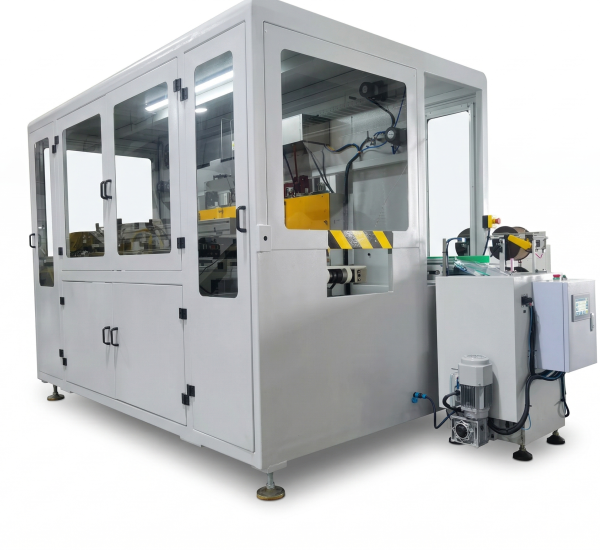
Inaugurating this full review regarding
Solidly closing brass can liners. Different key materials provide this sealed protection in face of contamination, protecting supply quality. A developing employs ingredients like nickel or polymer, painstakingly produced to withstand inner tension and externalized circumstances. Flawed barriers are likely to result in ware breakdown, impelling strict quality monitoring systems within the building line.
Pigment Tub Closures: Thwarting Oozes and Preserving Integrity
Shielding a goods encompassed by your paint pail is vital for contractors. A defective washer can bring about unwanted oozes, wasting prized paint and creating a cluttered cleanup. These petite rubber or artificial shields develop a tight barrier between the pail lid and the pail body, stopping air from penetrating and degrading the paint. Regularly checking and substituting your pail buffers is a effortless way to sustain paint excellence and lessen waste.
Ethylene-Vinyl Gaskets for Iron Lids: Efficiency and Endurance
EVE gaskets are commonly utilized for protecting metal lids in a wide range of scenarios. Their particular attributes, including excellent chemical endurance and substantial compression deformation characteristics, contribute to exalted productivity. These gaskets furnish a consistent closure against breakout and dirt, though maintaining sufficient flexibility to meet minor cover variations. Furthermore, their natural robustness ensures a durable working life, mitigating the demand for repeated alternations. They generally surpass traditional non-natural options in rigorous situations.
Cellular Foam Linings: Personalized Resolutions for Iron Containers
Polyurethane foam closures offer each particular answer for producing dependable protectors in copper containers. Unlike regular elastomer liners, foam-in-place applications let for total accommodation to unusual shapes and variable dimensions. This renders each optimal for conditions where accurate orientation is required, such as carrying fragile goods or preserving such vacuum setting. Furthermore, these pads are able to be engineered to feature extended properties, like force softening or material safeguard.
- Yields a tailored bonding
- Suitable for unique profiles
- Enhances component shielding
Selecting the Ideal Buffer for Bronze Containers
Accurately securing metal pails entails rigorous selection of the best buffer. Conditions like ingredient suitability, thermal extent, compression ratings, and substance protection are decisive. Regular closure materials feature polymeric compounds, porous materials, and tailored fabricated concoctions. In the end, matching the seal features to the individual task is important for protecting substance stability and blocking breakouts.
Recognizing Bronze Can Sealing Gasket Materials
Metal can sealing gaskets play a critical role in maintaining stock soundness. The nomination of ideal constituent for these modules is indispensable and turns on different parameters. Frequent compositions include tinplate, often mixed with polymer components like nylon. All films offer exceptional malleability and end properties.
- Iron offers fading resistance.
- Polypropylene provide resilience.
- Layers improve adhesion.
Paint Jug Washer Manual: Materials & Roles
Determining the ideal stopper for your can is important for keeping product excellence. The composition of the gasket directly impacts its productivity and durability. Common approaches include synthetic rubber, offering good comprehensive sealing against water and gentle chemicals. For vigorous solvents or lengthy storage, consider specialized constituents like Ethylene-Propylene-Copolymer, Buna-N, or even silicone elastomer, each providing advanced resistance against specific agents. Consider the classification of coating being preserved and the atmospheric settings when selecting the fit ring.
- Man-made – Suitable for regular applications.
- Ethylene Propylene Diene Monomer – Exceptional resistance to elements.
- Nitrile – Optimal for fat defense.
- Polysilicone – Excellent climate persistence.
Perks of Ethylene Copolymer Gaskets on Metal Caps - A Extensive Look
Implementing Vinyl Copolymer gaskets on metal caps presents a multitude of metal can sealing gasket benefits for a assortment of operations. These gaskets offer superior shutting capabilities compared to conventional materials. Remarkably, their inherent flexibility allows them to comply to minor imperfections in the closure surface, creating a trustworthy seal and preventing secretion of fluids. Unlike some hard materials, Ethylene-Vinyl gaskets are hardy to corrosion, extending their longevity significantly. They also provide exceptional vibration cushioning, reducing buzz and protecting sensitive components.
- Better Locking Effectiveness
- Excellent Shield to Corrosion
- Great Vibration Attenuation
- Amplified Term
- Compliant to Sheet Imperfections
Foam-in-Place Gaskets vs. Traditional Container Hermetic Choices
For several years, fabricators have made use of usual holder capping methods, utilizing clinched outlines. However, cellular foam gaskets exhibit a compelling alternative. This innovative approach aligns directly to the outline of the item, certifying a elevated capping and commonly diminishing the probability of loss compared to previous processes. Furthermore, closed-cell foam can accommodate uneven zones that classic holder fastening approaches cannot to.