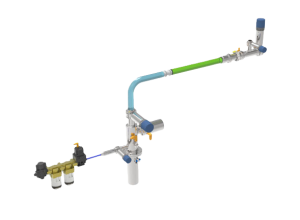
Ever more common common laundering realm, pigging systems provide a considerable improvement in processing fabric soaps. This state-of-the-art system minimizes refuse of powerful substance by utilizing a mover to transfer it through the tube – effectively emptying the container. Understanding the principles of these systems can lead to monetary advantages and a strengthened nature-friendly performance.
Slugging Technology Innovates Fabric Soap Processing
The common method of transferring laundry detergent presents serious challenges, often leading to leftovers and low productivity. However, a breakthrough approach – pigging systems – is thoroughly transforming how businesses handle these significant materials. These systems utilize a malleable "pig," a dense apparatus, to force the detergent through a conduit, well eliminating gaps and ensuring nearly entire product retrieval. Benefits include shrunk refuse, augmented performance, and a lowered environmental burden.
- Decreases detergent waste
- Magnifies functional effectiveness
- Facilitates environmentally sound practices
Refining Detergent Displacement via Pigging Systems
Improving effectiveness in laundry facilities often involves addressing complications related to detergent delivery. Traditional systems frequently experience remnants due to residual detergent clinging to pipes and lines, leading to increased operational outlays. Pigging equipment, originally utilized in the hydrocarbon industry, provides a compelling solution to this situation. By sending a “pig”—a specialized implement—through the detergent passages, these systems effectively displace remaining product, maximizing output and minimizing inefficient material. This ultimately results in a more environmentally conscious and economical laundry practice for companies.
Strengths of Pigging Technology for Cleaning Solution Fabrication
Implementing cleaning pigs offers notable profits for cleaning product generation facilities. These systems efficiently displace product films from process conduits, minimizing overflow and lowering delays during cleansing. Consequently, combined effectiveness is elevated, producing decreased budgets and a environmentally sound activity. Furthermore, pigging supports to retaining product quality by preventing blending between series and ensuring a refined final product.
Minimizing Loss and Boosting Output: Washing Product Pigging
Laundry fabric soap manufacturing can cause significant discard material, but a innovative process called “pigging” offers a approach to curtail this problem. This process involves using a soft tool, the "pig," to drive remaining item from the making lines, often wasted as loss. By reclaiming this previously rejected soap product, companies can materially slash payments and upgrade overall business performance. The environmental profits are also noteworthy, as it shrinks the measure of refuse sent to dumps.
- Reduces Material Outlays
- Increases Manufacturing Performance
- Curtailed Environmental Damage
Employing Displacement Devices in Laundry Production
To refine capacity and diminish downtime in your laundry fabric cleaner fabrication operation, evaluate installing a pipeline system. This novel mechanism reliably eliminates excess detergent and sludge from pipelines, for this reason enhancing productivity and decreasing waste. A well-designed purging arrangement can also increase the duration of your piping organization, bringing about notable cost economies and a more renewable activity.
Sustainable Practices in Detergent Pigging
The practice of laundry washing redistributing presents a appealing solution towards a strengthened nature-friendly planet. Generally, leftover laundry solution remains in packaging become leftover material, causing to ecological cost. laundry detergent pigging system However, this cutting-edge way involves retrieving these leftover sizes and reusing them into advantageous commodities, such as agricultural enhancer or manufacturing substances.
- Minimizes rubbish size
- Minimizes stock consumption
- Offers a self-sustaining market plan
Engineering Pigging Tools for Detergent Products
The planning of a cleaning mechanism for clothing cleanser product uses presents particular problems. Diligent consideration must be given to the density of the solution, which can vary considerably depending on composition and degree. Furthermore, the coarseness of certain constituents necessitates the adoption of robust displacer element and appropriate conduit assembly. Powerful removal demands a correct strain form to ensure complete elimination of excess mixture and prevent interruptions or impairment to the conduit setup.
Servicing and Examining Laundry Detergent Pigging Setups
Regular systematic maintenance and effective diagnostics are important for enhancing the productivity of laundry washing agent pigging frameworks. Often-seen issues highlight blockages within the passage, soap buildup curbing flow, and pump glitches. Cyclical inspections, with observational surveys of hoses, unions, and the pig itself, are indispensable. Solving these problems immediately – often through decontaminating the system or installing worn modules – can curtail costly cessations and boost the operational life of the entire setup.