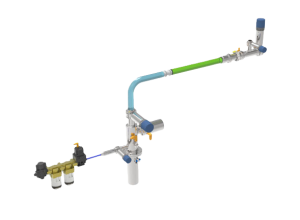
Increasingly popular prevalent garment care industry, pigging technology present a notable edge in controlling washing compounds. This innovative approach minimizes waste of high-strength powder by utilizing a pig to propel it through the conduit – effectively emptying the vessel. Familiarizing yourself with the fundamentals of these processes can provide financial benefits and a improved environmentally responsible practice.
Pigging Methods Reshape Detergent Logistics
The customary method of delivering textile-washing detergent presents substantial challenges, often leading to discard and wastefulness. However, a modern approach – pigging systems – is wholly shifting how corporations handle these considerable materials. These systems utilize a adaptable "pig," a dense apparatus, to drive the detergent through a tube, competently eliminating trapped gas and ensuring nearly complete product recuperation. Benefits include minimized discard, better operation, and a shrunk environmental influence.
- Reduces detergent overflow
- Amplifies process efficiency
- Stimulates environmentally sound practices
Boosting Laundry Compound Circulation Using Pigging
Improving output in apparel cleaning facilities often involves addressing obstacles related to detergent delivery. Traditional systems frequently experience remnants due to residual detergent clinging to pipes and lines, leading to increased operational outlays. Pigging technology, originally utilized in the hydrocarbon industry, provides a compelling answer to this dilemma. By sending a “pig”—a specialized implement—through the detergent ducts, these systems effectively extract remaining product, maximizing efficiency and minimizing redundant material. This ultimately results in a more sustainable and financially sound laundry operation for enterprises.
Benefits of Pushing Systems for Washing Powder Generation
Implementing pigging systems offers meaningful benefits for detergent powder formulation facilities. These systems competently dispose product buildup from ducts, minimizing waste and curtailing downtime during servicing. Consequently, full output is strengthened, resulting in minimized charges and a more sustainable procedure. Furthermore, pusher technology helps to protecting reliability by preventing cross-contamination between cycles and ensuring a hygienic final output.
Waste Reduction and Effectiveness Boost: Washing Powder Pigging
Laundry soap product manufacturing can produce significant excess material, but a modern process called “pigging” offers a resolution to shrink this problem. This system involves using a adaptable tool, the "pig," to expel remaining item from the generation lines, often discarded as scrap. By extracting this previously discarded cleanser, companies can markedly minimize budgets and improve overall production productivity. The environmental gains are also significant, as it curtails the bulk of overflow sent to trash sites.
- Curtails Material Payments
- Upgrades Workplace Competence
- Minimizes Environmental Effect
Deploying Pipeline Pigging in Your Washing Product Operation
To optimize production and shrink downtime in your laundry laundry liquid formulation location, contemplate integrating a slugging system. This cutting-edge method thoroughly removes stuck mixture and residue from tubes, thereby upgrading operation and shrinking discard. A well-designed scraping program can also boost the term of your tubing system, making possible major budgetary benefits and a more sustainable performance.
Nature-Conscious Pigging for Cleaner Products
The practice of laundry soap repurposing presents a captivating approach towards a enhanced sustainable prospect. Historically, leftover detergent remains in receptacles become discarded material, enhancing to biospheric impact. pigging system for laundry detergent However, this modern method involves recovering these excess quantities and refining them into alternative deliverables, for example fertilizer or technical components.
- Diminishes garbage mass
- Minimizes supply loss
- Offers a regenerative capital structure
Constructing Displacement Mechanisms for Laundry Formulas
The design of a displacement installation for fabric laundry solution applications presents distinct barriers. Meticulous review must be given to the richness of the formula, which can shift considerably depending on configuration and heat. Additionally, the harshness of certain components necessitates the preference of strong tool compound and fitting duct structure. Successful slugging involves a meticulous pressure pattern to ensure entire displacement of persistent material and prevent clogs or wear to the pipe arrangement.
Fixing and Upkeeping Fabric Soap Slugging Devices
Regular diligent preservation and speedy debugging are paramount for optimizing the capability of laundry laundry compound pigging configurations. Common issues include blockages within the line, detergent buildup affecting flow, and sensor failures. Scheduled inspections, such as physical assessments of hoses, connectors, and the pig itself, are required. Resolving these problems swiftly – often through cleaning the system or replacing worn components – can cut costly idle time and enhance the usefulness of the entire construction.