Beginning
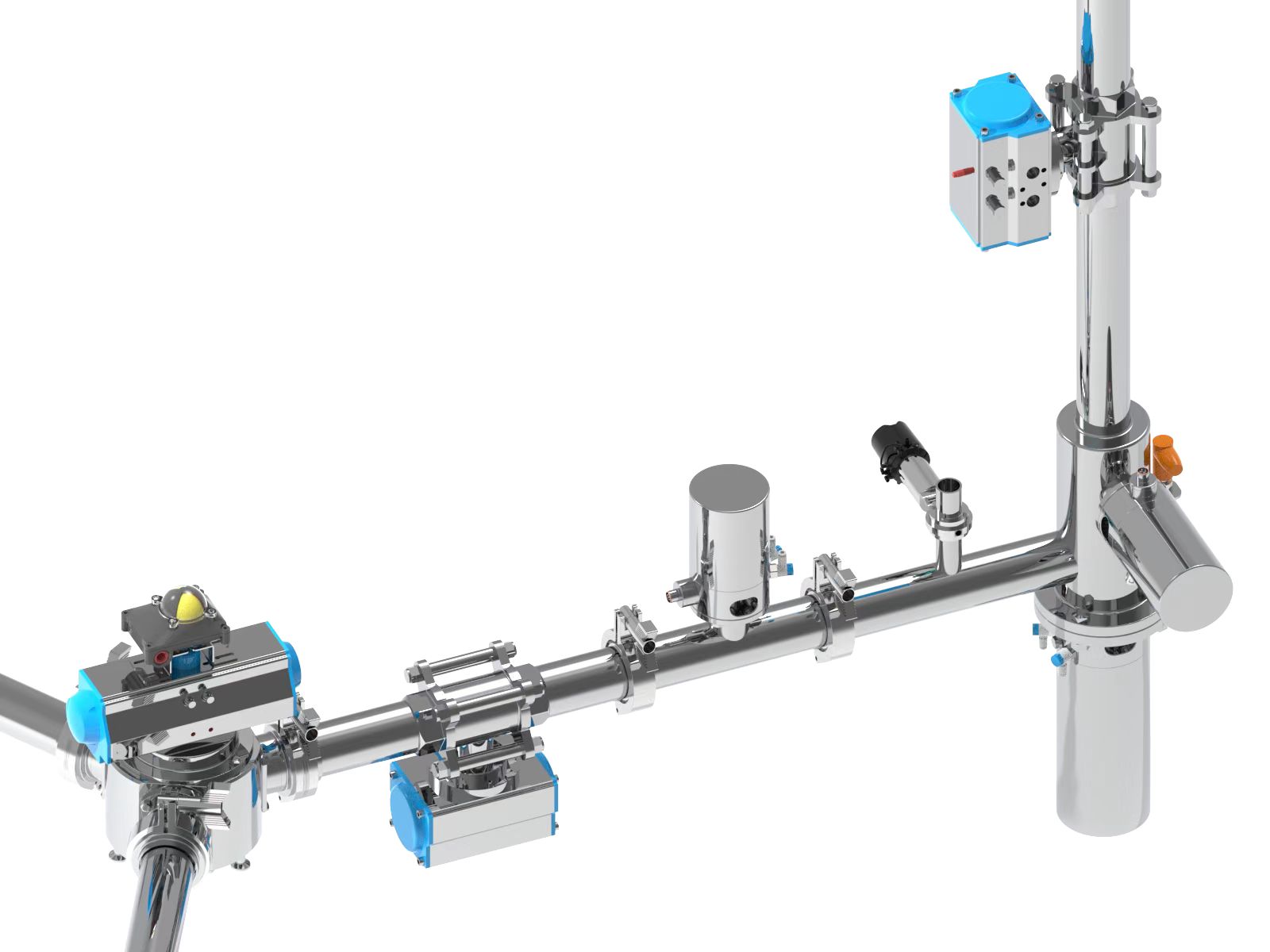
Electromechanical pipeline pigging processes grant a significant perk over conventional techniques for protecting the soundness of pipelines. These progressive technologies expedite the function of propelling a "pig" – a dedicated device – through the conduit to wash away deposits like rust, damage, and clogs. By reducing downtime and upgrading flow capability, automatic pigging solutions exemplify a crucial asset for organizations relying on channel transportation of fluids.
Sanitized Pigging : Preserving Pipeline Sterility in Food & Beverage Domain
Maintaining impeccable sterility within nutrition manufacturing facilities is important, particularly when it comes to pipes used for delivering liquids. Pristine scrubbing offers a effective solution. This customized technique involves inserting a unit – often a cylindrical device – into the channel to remove contaminants, including organisms, and maintain comprehensive neatness. Benefits include reduced likelihood of degradation, improved food grade, and augmented production yield. Parameters for operation include swab fabrication compatibility with the commodity and pipework construction.
- Decreases taint possibility.
- Improves beverage standard.
- Amplifies output effectuality.
Pipeline Solutions: Improving Function and Reducing Waste
These systems offer a considerable advancement in duct execution for various areas, particularly within the energy and fabrication sectors. By guiding a “pig,” a specialized device, through the lines, residue are cleared, maintaining capacity and preventing product leakage. This leads to a diminished expense and a more responsible method to resource direction.
Key Future On Pipelines: Evaluating Smart Pigging Approaches
Such development concerning pipeline maintenance is quickly being altered by robotic pigging technology. Traditionally, pigging tasks have banked on non-automated intervention, but the rise regarding autonomous pigs promises enhanced efficiency, lower downtime, and heightened safety. These pioneering systems harness monitors, analytics, and artificial intelligence to survey pipelines self-directed, finding damage and performing flushing tasks with extraordinary precision. Anticipating widespread adoption, automatic pigging represents a principal step advancing a more reliable pipeline chain globally.
Sterile Cleaning vs. Manual Disinfection
Sustaining pipeline soundness within the culinary industry presents a significant challenge. Historically, labor-intensive sanitizing has been the routine method, relying on employees to directly take away debris and pollutants. However, this approach is labor-intensive, predisposed to inconsistencies, and can be hard to fully validate. Pristine flushing, on the other hand, offers a progressive alternative. This procedure utilizes a device propelled through the duct to dislodge deposits, providing a optimized automatic pigging system and uniform sterilization process. Key distinctions include:
- Spending: Laborious disinfecting often involves substantial labor expenditures, while swabbing has opening investment reduced overall outlays.
- Efficiency: Flushing habitually offers increased performance compared to hand-held systems.
- Demonstration: Ensuring the detail of sanitation is more feasible with clearing due to monitoring capabilities.
- Health: Manual washing can expose operators to potentially hazardous conditions, whereas cleaning diminishes this menace.
Integrating an Self-operating Pigging Approach: Proven Methods
Skillfully rolling out an automatic pigging solution requires precise coordination and adherence to industry best guidelines. In the beginning, implement a meticulous analysis of your line to define the definitive obstacles requiring pigging. This encompasses assessing the kind of deposit, the place of jams, and the overall condition of the piping. Subsequently, pick a pigging arrangement ideal for your customized operational criteria.
As well, prioritize thorough instruction for staff working in the maintenance task. This has to include coaching on proper employment of the tools and comprehension of critical measures.
- Commonly review the tool and related sections for degradation.
- Define a reliable upkeep schedule.
- Monitor all maintenance tasks and corresponding statistics.
- Analyze the influence on line pressure and product value.
Lastly, persistent surveillance and adjustment of the pigging project are necessary for enhancing effectiveness and extending the pipeline's applicable use span.
Diagnosing Frequent Hurdles in Pristine Flushing Networks
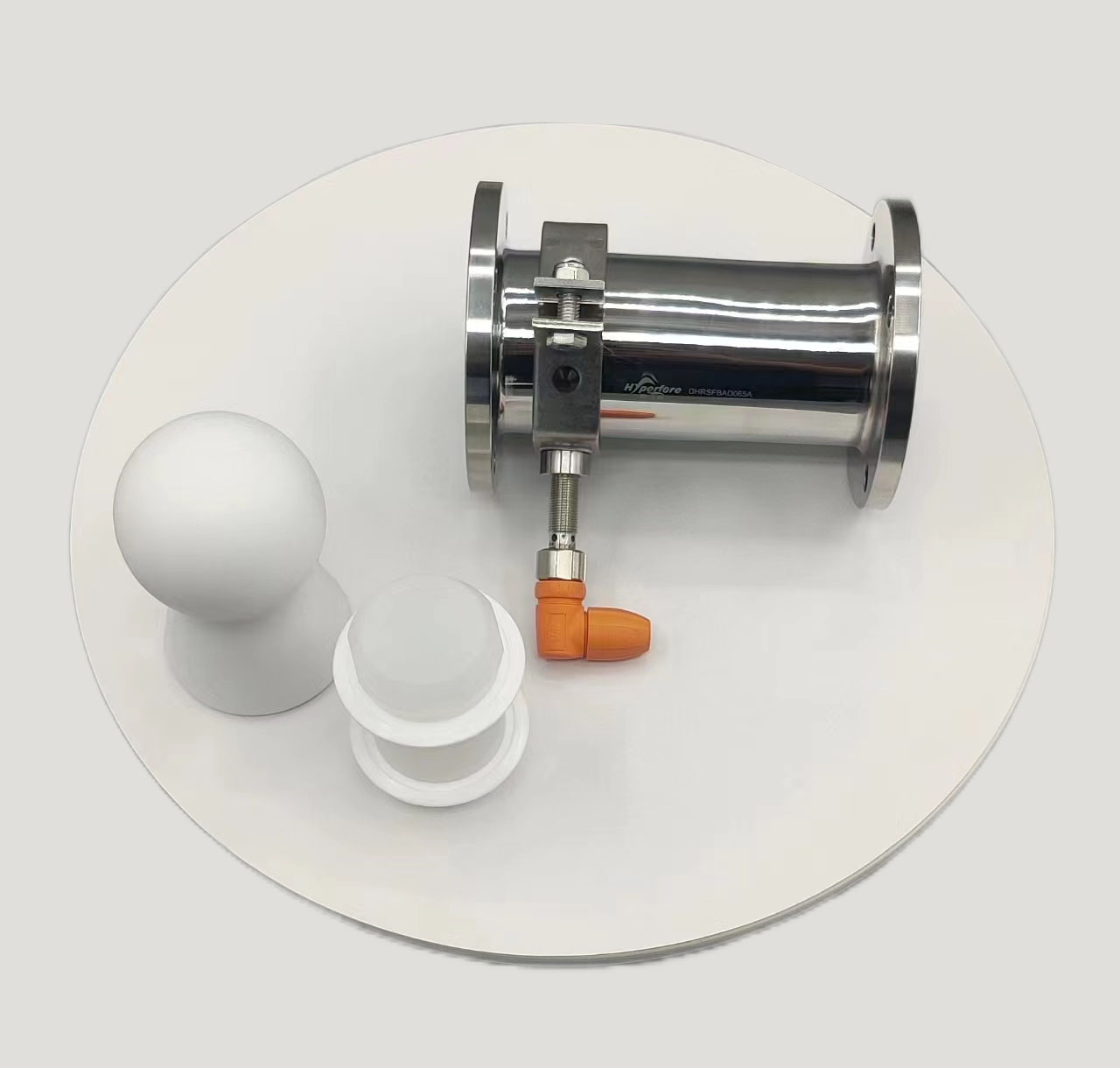
Practical execution of sanitary pigging configurations often includes scheduled problem-solving. Typically, clutters due to blockage creation are found, which might be resolved through exacting inspection with appropriate machinery. Additionally, flow restrictions denote faulty pigging cups or interior erosion. Intermittent servicing, including mechanism disposal and visual evaluation of pipeline quality, is critical to limit interruptions and support peak performance.
Robotic Scrubbing Systems for Operational Pipelines
Motorized clearing offers substantial gains for technical lines, significantly amplifying operational efficiency. These approach provides a range of pluses, including reduced downtime, minimized servicing payments, and improved material grade.
- Curtailed pressure decline leading to electrical conservation.
- Enhanced duct wholeness, avoiding wear.
- Improved performance by clearing deposits.
- Improved hazard reduction for personnel and the ecosystem.
Expenditure with Clean and Robotic Flushing Frameworks
Implementing uncontaminated and automatic swabbing technologies offers substantial budgetary relief for channel operators. These progressive technologies minimize product loss due to remaining product, significantly reducing remnants. Beyond product recovery, swabbing solutions lessen the frequency of routine pipe shutdowns for repair, translating to improved facility availability. Furthermore, the curtailed need for physical work and reagent deployment further advances the overall cost-effectiveness of your operation.
- Lower Product Loss
- Amplified Efficiency Operation
- Cut Physical Work Payments