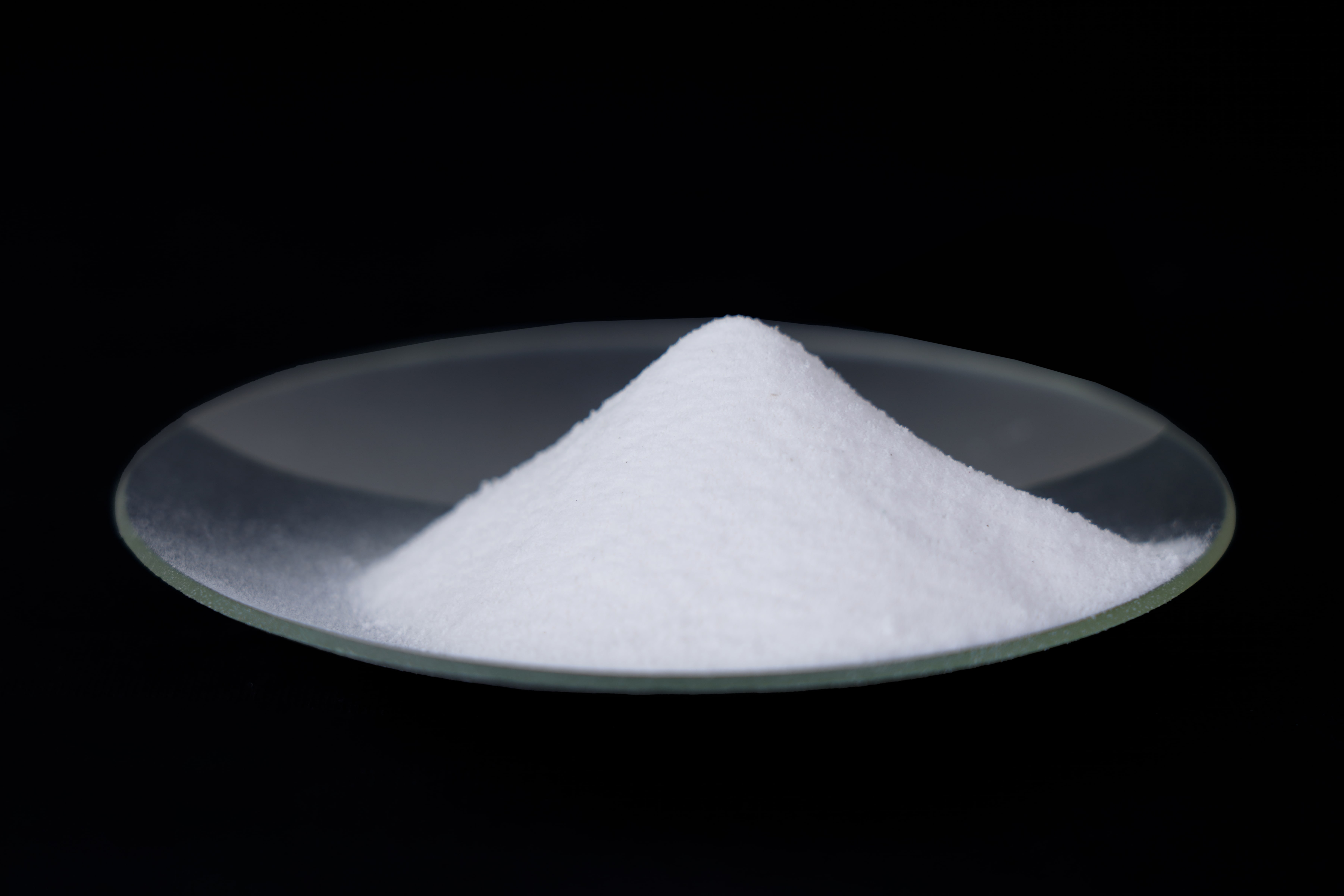
Setting offsilica deposit exhibits remarkable separating agent broadly employed in various commercial workflows, particularly throughout liquid treatment. Sourced from the fossilized remains of microalgal fossils, it holds a diatomaceous earth unique mesh-like layout that allows for excellent clarification. The filter aid works by creating a light porous film on a pressure filter, collecting small debris while supporting fluid transit. Identifying the suitable category of porous silica product is crucial for top productivity.
Applying Permeable Earth Powder for Separation
Diatomite earth, composed of the fossilized remains of microscopic algae called diatoms, presents a special alternative for refining various elements. Its structure, a delicate network of silicon dioxide shells, provides an incredibly ample surface area. This affords for highly powerful removal of impurities from solutions. Engagements range from moisture cleaning and alcohol manufacture to water environments treatment and even cultivation methods. Strengths include its earth-derived origin, reasonable price compared to some synthetic alternatives, and its aptitude to efficiently capture a all-encompassing array of pollutants.
- Grants superior matter removal.
- Is a earth-friendly choice.
- Fitting for various domains.
Processed Bleaching Layer: Features and Tasks
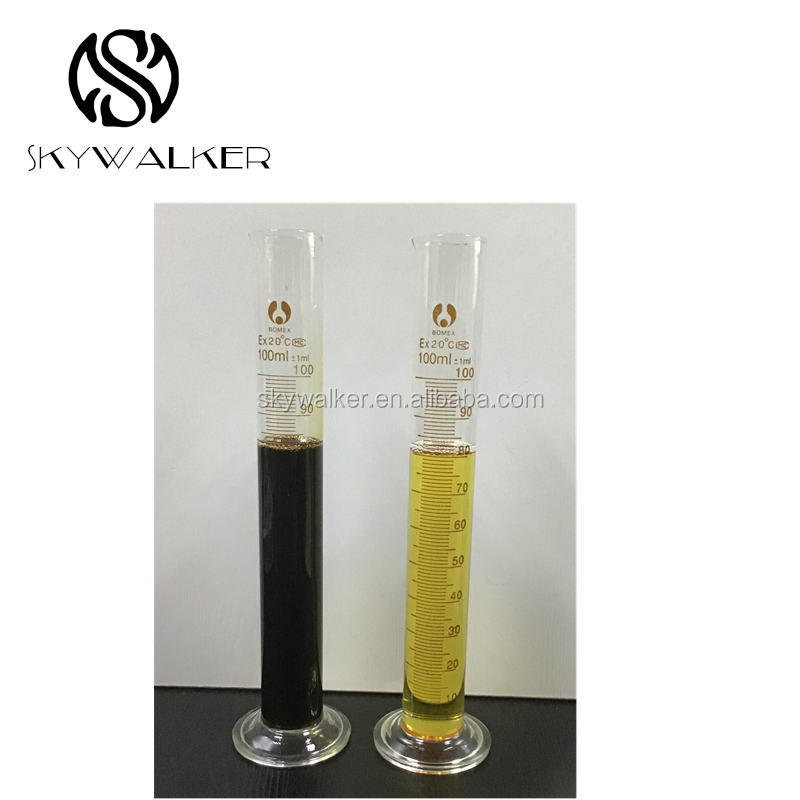
Refined bleaching earth is a category of raw smectite that has undergone unique enhancement to boost its sorption competences. This process typically involves physical modification, resulting in a enlarged structure with a ample surface area. Consequently, it exhibits extraordinary ability to extract discolorations from a varied collection of media, finding crucial applications in the lightening of vegetable oils, greases, and other environmental materials. What’s more, its safe trait and cost-effectiveness contribute to its rising recognition in various industries.
Diatomaceous Earth Compared to Alternative Filter Agents
Opting for the prime cleaning assistance for a specific process can be complex. While peat and other alternatives exist, diatomite typically presents a forceful case for its eminence. Compared to these counterparts, diatomite commonly offers increased clearness and a higher efficiency of clearing debris. However, one's top choice ultimately relies on variables such as value, operation requirements, and targeted consequence quality.
Scientific Principles of Diatomite Filtration
Microshell earth or known as porous earth filtration refining leverages the unique or distinct structure of or these microscopic minute algae shells. These said diatoms, upon when death, form generate a sedimentary earth-like rock deposit composed constructed of intricately delicately porous cellular silica silicon shells. This said porous honeycomb-like network matrix provides an incredibly remarkably large area for or trapping particulate dimensionless matter elements from between liquids moist environments, achieving producing highly robust exact filtration screening.
Augmenting Decolorization Potential of Enhanced Substances
Maximizing an decolorizing procedure using upgraded earth presents a useful method for increasing performance. The specific environmentally safe material, extracted from earth, possesses remarkable affinitive characteristics that empower it to successfully purify tainted compounds from textiles, thereby lowering application of harsh artificial formulas and enhancing a environmentally friendly output.
Grasping Filter Powder Quality Levels
Determining the suitable diatomite variety is essential for reliable separation processes. Diatomite grades are labeled by their mesh proportion, generally expressed in nano-scales. Thinner grades, like FF or Filter-X, offer premium clearness and are applicable for fragile liquids, while chunkier grades, such as Perlite or Celite 500, deliver a escalated fluid throughput for fewer processes. Understanding these alterations will assist you to advance your filtering outputs and abate outlays affiliated with the method.
Eco-conscious Sourcing of Diatomaceous Earth
The expanding demand for microfossil powder earth necessitates a consideration on environmentally safe sourcing practices. Traditional digging often calls for significant environmental disturbance and can harm proximal ecosystems. Currently, forward-thinking producers are pursuing alternatives, such as reclamation of old sites, ensuring diminished disruption and maintaining biological habitats. Furthermore, openness in the flow is advancing crucial, allowing buyers to reach informed resolutions and champion environmentally sound practices. Accordingly, responsible regulation of sedimentary mineral earth resources is vital for future availability and minimized environmental results.
- Abated land destruction.
- Restoration of extraction sites.
- Greater visibility in the logistics.
Modified Purifying Deposit: A Investigative Interpretation
From a chemical standpoint, processed decolorizing material represents a particular class of silicate minerals. At first, kaolinite mud is molecularly modified via conditioning – typically involving oxidative application – to dramatically improve its capturing traits. Such modification creates a considerable area with a significant number of anionic sites, facilitating the sequestration of discolored elements from emulsions. The operation chiefly involves physical bonds and Van der Waals forces, bringing about a enhanced achievement.