Launching
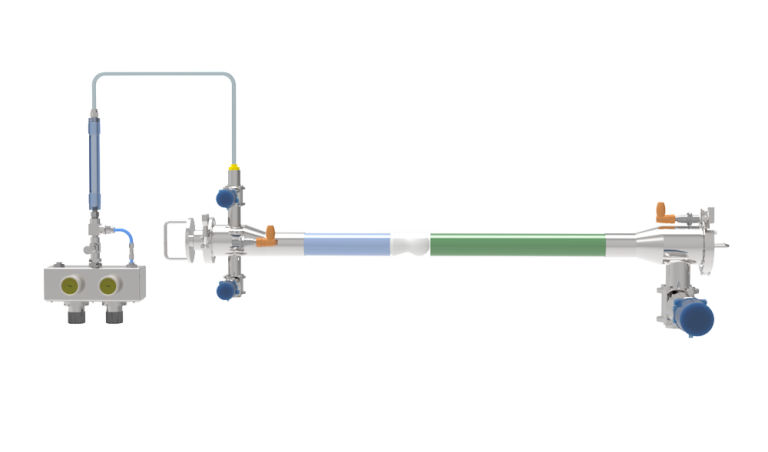
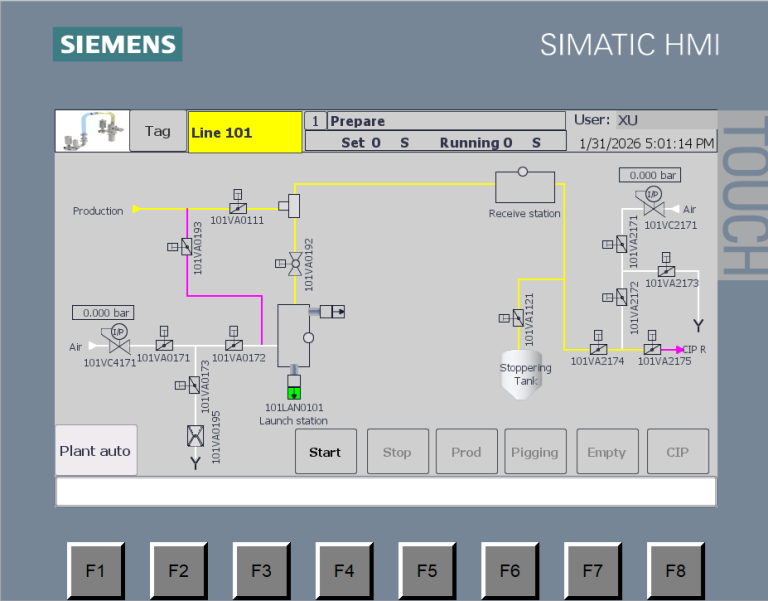
Robotic line cleaning equipment supply a significant perk over human-operated practices for sustaining the health of tubes. These state-of-the-art technologies expedite the activity of driving a "pig" – a exclusive device – through the channel to eliminate deposits like fouling, oxidation, and obstructions. By decreasing downtime and boosting process effectiveness, automatic pigging technology stand for a crucial expenditure for enterprises relying on line transportation of media.
Sterile Pigging : Preserving Pipeline Sterility in The Food & Drink Area
Maintaining impeccable neatness within food & beverage preparation facilities is critical, particularly when it comes to ducts used for shifting extracts. Hygienic swabbing offers a potent solution. This specialized technique involves inserting a implement – often a compressible device – into the conduit to clear away debris, including microbes, and recover consistent spotlessness. Benefits include diminished potential of deterioration, refined food grade, and augmented production capacity. Features for adoption include tool substance compatibility with the item and pipe fabrication.
- Curbs defilement chance.
- Upgrades commodity value.
- Increases process productivity.
Piping Innovations: Optimizing Effectiveness and Controlling Byproducts
Pigging systems offer a substantial benefit in line execution for various areas, particularly within the energy and fabrication sectors. By moving a “pig,” a dedicated device, through the lines, build-up are eliminated, increasing volume and cutting product waste. This yields a curtailed budget and a more conscious procedure to material supervision.
Certain Future Related to Pipelines: Assessing Self-operating Pigging Approaches
Such development pertaining to pipeline administration is steadily being changed by autonomous pigging methods. Traditionally, pigging operations have depended on manual intervention, but the emergence about autonomous pigs promises boosted efficiency, lessened downtime, and upgraded safety. These state-of-the-art systems leverage detectors, data, and intelligent intelligence to patrol pipelines self-directed, spotting damage and performing flushing tasks with notable precision. Expecting widespread implementation, automatic pigging represents a key step leading to a more sustainable pipeline infrastructure globally.
Sanitary Rinsing vs. Traditional Washing
Maintaining tube condition within the beverage industry presents a considered challenge. Historically, non-automated washing has been the routine method, relying on employees to directly scrape debris and impurities. However, this approach is time-consuming, exposed to inconsistencies, and can be troublesome to fully validate. Hygienic purging, on the other hand, offers a automated alternative. This technology utilizes a instrument propelled through the pipeline to extract deposits, providing a streamlined and stable cleansing process. Key characteristics include:
- Outlay: Manual purging often involves high labor expenditures, while swabbing has commencing investment less overall payments.
- Output: Rinsing usually offers amplified effectiveness compared to physical approaches.
- Substantiation: Demonstrating the scope of cleaning is less complicated with clearing due to monitoring capabilities.
- Welfare: Handheld purging can expose assistants to unsafe conditions, whereas purging reduces this threat.
Implementing an Motorized Pigging Process: Successful Techniques
Successfully implementing an mechanized pigging approach requires meticulous organization and adherence to best best practices. First, execute a complete evaluation of your line to define the definitive obstacles requiring cleaning. This involves assessing the class of contaminant, the region of restrictions, and the existing shape of the hardware. Subsequently, appoint a pigging layout suited for your specific operational necessities.
Besides, stress in-depth mentoring for team members involved in the cleaning process. This needs to include education on careful employment of the tools and comprehension of crisis actions.
- Usually monitor the instrument and corresponding subsidiaries for defects.
- Initiate a sturdy support calendar.
- Capture all flushing performance and connected metrics.
- Assess the consequence on conduit pressure and output excellence.
In brief, steady scrutiny and fine-tuning of the program course are important for boosting efficiency and extending the conduit's employable active period.
Diagnosing Regular Challenges in Sanitary Process Systems
Reliable execution of sanitary pigging frameworks often involves proactive assessment. Repeatedly, obstructions triggered by residue buildup are seen, which can be dealt with through meticulous inspection using appropriate gear. In addition, pressure drops signal faulty cleaning tools or within erosion. Intermittent servicing, including mechanism disposal and visual evaluation of pipeline shape, is critical to diminish stoppages and retain maximal functionality.
Self-operating Clearing Technologies for Operational Lines
Computerized inspection offers substantial positive outcomes for industrial ducts, significantly enhancing operational output. The method provides a collection of upsides, including reduced breaks, minimized tending expenditures, and improved item quality.
- Decreased flow drop leading to fuel lowering.
- Enhanced conduit soundness, combating scaling.
- Improved capacity by purging deposits.
- Greater welfare for technicians and the biosphere.
Price with Sanitary and Robotic Flushing Frameworks
Implementing uncontaminated and automatic swabbing technologies offers substantial budgetary relief for channel operators. These progressive technologies minimize product loss due to cling-on, significantly minimizing excess. Beyond good recovery, rinsing solutions lower the frequency of programmed pipeline shutdowns for maintenance, translating to higher throughput. Furthermore, automatic pigging system the cut need for hands-on work and solvent use further strengthens the overall monetary advantage of your function.
- Cut Output Loss
- Boosted Output Runtime
- Diminished Operator Involvement Spending