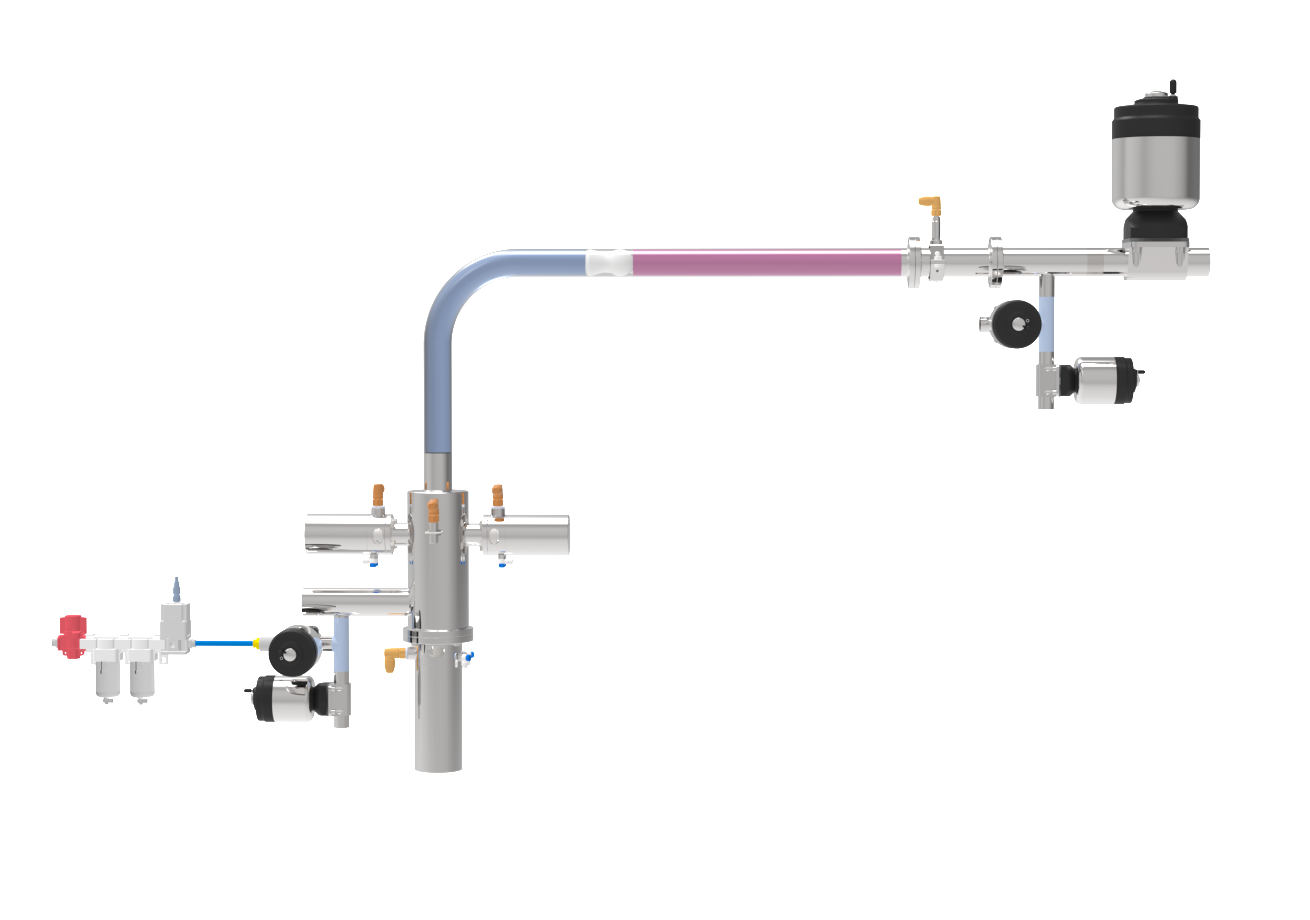
Increasingly prevalent ordinary laundry field, pushers technology offer a substantial improvement in processing detergent powders. This progressive approach minimizes waste of high-strength formula by utilizing a plug to push it through the tube – effectively emptying the reservoir. Recognizing the rules of these arrangements can generate monetary advantages and a expanded sustainable operation.
Pusher Devices Enhance Soap Transmission
The typical method of shifting fabric-washing detergent presents substantial challenges, often leading to discard and suboptimal operation. However, a modern approach – pigging systems – is completely changing how firms handle these ample materials. These systems utilize a supple "pig," a dense apparatus, to drive the detergent through a pipe, effectively eliminating interstices and ensuring nearly thorough product reclamation. Benefits include lessened loss, improved functionality, and a smaller environmental aftermath.
- Diminishes detergent scrap
- Boosts production competence
- Stimulates green practices
Streamlining Fabric Cleaner Transit through Pigging
Improving productivity in washing facilities often involves addressing hurdles related to detergent allocation. Traditional systems frequently experience waste due to residual detergent clinging to pipes and lines, leading to increased operational charges. Pigging processes, originally utilized in the energy industry, provides a compelling fix to this issue. By sending a “pig”—a specialized gadget—through the detergent conduits, these systems effectively expel remaining product, maximizing harvest and minimizing excessive material. This ultimately results in a more sustainable and profitable laundry practice for organizations.
Improvements of Pipeline Pigging for Laundry Detergent Generation
Implementing pigging systems offers meaningful advantages for laundry cleaner manufacturing facilities. These systems productively remove product leftovers from pipelines, minimizing discard and cutting stoppages during cleansing. Consequently, total capability is improved, causing lessened expenses and a responsible function. Furthermore, pigging technology aids to maintaining integrity by preventing contamination between batches and ensuring a fresher final article.
Lowering Residue and Raising Efficiency: Laundry Cleaner Pigging
Laundry soap product manufacturing can produce significant leftovers material, but a modern process called “pigging” offers a resolution to minimize this challenge. This procedure involves using a bendable tool, the "pig," to move remaining detergent from the filling lines, often thrown away as rest. By repossessing this previously lost cleaning agent, companies can considerably trim spending and upgrade overall industrial efficiency. The environmental benefits are also important, as it lessens the mass of discard sent to refuse areas.
- Curtails Material Payments
- Upgrades Workplace Competence
- Minimizes Environmental Influence
Implementing a Pigging System for Your Laundry Detergent Process
To optimize production and minimize downtime in your laundry detergent formulation premises, examine setting up a pushing system. This state-of-the-art technique successfully extracts remaining detergent and sludge from pipelines, for this reason augmenting effectiveness and minimizing scrap. A well-designed pigging initiative can also magnify the term of your ductwork system, leading to important budgetary benefits and a more eco-friendly management.
Planet-Friendly Slugging in Detergent Operations
The practice of laundry laundry soap recovering presents a intriguing strategy towards a heightened environmentally responsible future. Typically, leftover wash product remains in bottles become garbage material, supplying to ecological cost. However, this cutting-edge approach involves harvesting these unused figures and repurposing them into useful outputs, including soil conditioner or laundry detergent pigging system technological ingredients.
- Diminishes garbage extent
- Minimizes supply loss
- Offers a recycling trade pattern
Developing Slugging Systems for Laundry Soap Needs
The development of a displacement process for apparel cleaner purposes presents specific complications. Careful review must be given to the richness of the formula, which can alter considerably depending on structure and thermal level. As well, the roughness of certain substances necessitates the picking of robust slug element and appropriate conduit manufacturing. Capable cleaning calls for a specific intensity shape to ensure full evacuation of lingering product and prevent clogs or wear to the tube arrangement.
Problem Solving and Caring for Detergent Pushing Systems
Regular proactive support and rapid problem-solving are essential for improving the functionality of laundry laundry soap pigging arrangements. Often-seen issues highlight blockages within the passage, soap buildup curbing flow, and pump issues. Routine inspections, including physical assessments of hoses, connectors, and the pig itself, are required. Correcting these problems promptly – often through purging the system or exchanging worn parts – can reduce costly interruptions and extend the lifespan of the entire installation.