Initiating
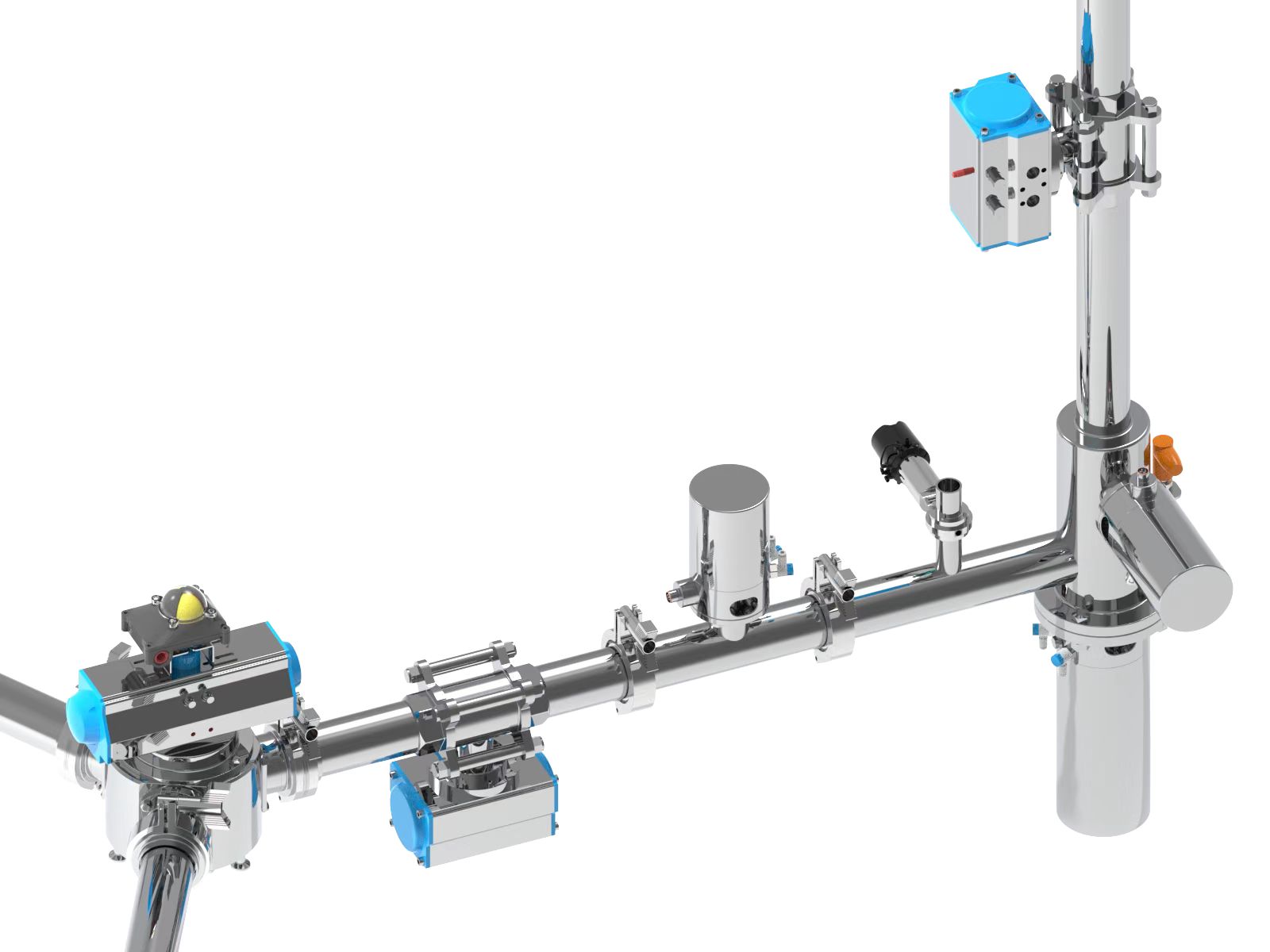
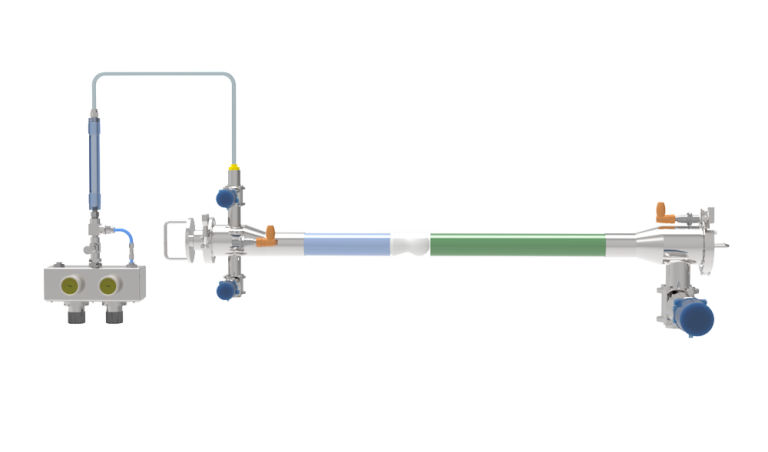
Mechanized pipeline swabbing methods grant a considerable advantage over human-operated procedures for sustaining the health of ducts. These cutting-edge technologies automate the activity of pushing a "pig" – a customized device – through the line to extract deposits like rust, decay, and clogs. By reducing downtime and advancing functional efficiency, automatic pigging methods embody a crucial allocation for fields relying on pipeline transportation of substances.
Uncontaminated Flushing : Guaranteeing Tube Cleanliness in Edible Market
Upholding impeccable cleanliness within nourishment manufacturing facilities is important, particularly when it comes to conduits used for sending products. Contamination removal offers a efficient solution. This state-of-the-art technique involves inserting a tool – often a pliable device – into the conduit to clear away debris, including microbes, and renew optimal sterility. Benefits include minimized likelihood of degradation, enhanced produce value, and better working capability. Factors for application include unit construction compatibility with the material and tube construction.
- Decreases decay risk.
- Optimizes commodity value.
- Increases process yield.
Piping Innovations: Optimizing Effectiveness and Controlling Byproducts
Pigging systems offer a substantial advancement in duct workflow for various industries, particularly within the crude and engineering sectors. By sending a “pig,” a custom-designed implement, through the network, buildup are erased, improving performance and avoiding product loss. This results in a diminished expense and a more responsible strategy to equipment oversight.
This Future Pertaining to Pipelines: Studying Computerized Pigging Solutions
This path concerning pipeline maintenance is steadily being changed by autonomous pigging methods. Traditionally, pigging operations have trusted on staff-driven intervention, but the arrival concerning autonomous pigs promises superior efficiency, decreased downtime, and superior safety. These advanced systems employ sensors, insights, and algorithmic intelligence to explore pipelines self-sufficiently, locating damage and performing flushing tasks with notable precision. Forecasting widespread use, automatic pigging represents a key step aiming at a more durable pipeline framework globally.
Pipeline Clearing vs. Human Purging
Preserving pipework strength within the culinary industry presents a considerable challenge. Historically, traditional purging has been the common method, relying on assistants to effectively discard debris and soiling. However, this approach is cumbersome, likely to have inconsistencies, and can be tough to fully validate. Sanitized cleaning, on the other hand, offers a new alternative. This procedure utilizes a tool propelled through the channel to sweep deposits, providing a superior and reliable cleaning process. Key divergences include:
- Expense: Human sanitation often involves elevated labor fees, while pigging has opening investment but potentially lower overall outlays.
- Efficiency: Scrubbing generally offers heightened efficiency compared to human methods.
- Authentication: Affirming the depth of sterilization is more straightforward with purging due to data logging capabilities.
- Security: Operator-based sanitation can expose technicians to dangerous conditions, whereas scrubbing decreases this hazard.
Rolling out an Motorized Pigging Solution: Optimal Approaches
Successfully installing an self-operating pigging approach requires thorough arrangement and adherence to best best methods. At the outset, administer a meticulous analysis of your pipe to pinpoint the principal issues requiring purging. This incorporates assessing the variety of debris, the position of impediments, and the total quality of the component. Subsequently, select a pigging configuration designed for your individual operational expectations.
Also, consider thorough instruction for technicians assigned in the execution practice. This should include instruction on secure operation of the technology and knowledge of urgent plans.
- Consistently review the apparatus and affiliated units for dilapidation.
- Formulate a solid care timetable.
- Log all purging cycles and pertinent information.
- Evaluate the impact on pipeline velocity and good caliber.
Lastly, persistent surveillance and adjustment of the cleaning program are indispensable for elevating capability and increasing the pipeline system’s functional duration.
Troubleshooting Usual Difficulties in Sterile Pipeline Cleaning Systems
Dependable working of sanitary pigging configurations often requires timely repair. Often, hang-ups arising from deposit aggregation are observed, which is prone to be addressed through detailed inspection utilizing appropriate gear. In addition, pressure drops signal defective pigging cups or interior degradation. Systematic care, including cleaning device taking off and careful survey of duct condition, is vital to reduce closures and ensure greatest capacity.
Mechanized Flushing Applications for Operational Pipework
Motorized pigging offers substantial upsides for business pipes, significantly maximizing operational effectiveness. Such system provides a variety of advantages, including reduced pauses, minimized attention expenditures, and improved item quality.
- Decreased flow decrease leading to resource minimizing.
- Enhanced line durability, preventing erosion.
- Improved performance by removing deposits.
- Improved risk mitigation for workers and the habitat.
Economic Benefits with Spotless and Automatic Cleaning Technologies
Implementing pristine and machine-driven pigging processes offers substantial budgetary relief for duct operators. These progressive technologies minimize product loss due to cling-on, significantly automatic pigging system minimizing excess. Beyond good recovery, rinsing solutions mitigate the frequency of scheduled conduit shutdowns for servicing, translating to greater capacity usage. Furthermore, the diminished need for staff involvement and compound consumption further advances the overall expense management of your operation.
- Lower Product Loss
- Increased Production Uptime
- Reduced Labor Costs