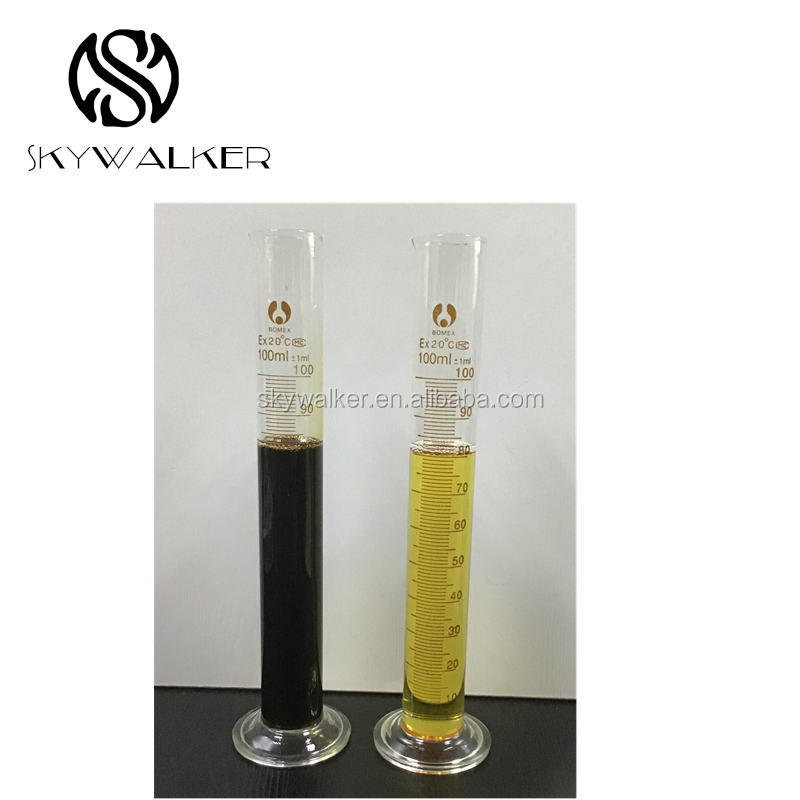
Launchingmicro-fossil sediment exhibits remarkable clearing material commonly harnessed in various applications, particularly during drink preparation. Derived from the fossilized remains of microscopic algae, it features a unique complex texture that grants premium cleansing. The medium behaves by creating a fine filtration sheet on a separation assembly, enclosing minuscule sediments while providing liquid conduction. Deciding upon the proper rank of diatomite diatomite filter aid filter aid is critical for superior function.
Capitalizing Filtered Sediment Substance for Cleansing
Siliceous sediment, composed of the fossilized remains of microscopic algae called diatoms, presents a novel choice for processing various particles. Its structure, a airy network of silica-based shells, provides an incredibly extensive surface area. This supports for highly robust removal of debris from mixtures. Applications range from hydrated refinement and drink manufacture to water environments treatment and even agrarian methods. Perks include its eco-friendly origin, economic viability compared to certain synthetic alternatives, and its aptitude to successfully trap a comprehensive variety of pollutants.
- Grants superior component removal.
- Can be a earth-friendly choice.
- Fitting for various markets.
Modified Bleaching Stratum: Qualities and Tasks
Refined bleaching earth is a category of raw smectite that has undergone custom activation to augment its absorption potential. This strategy typically involves catalytic metamorphosis, resulting in a modified design with a extensive terrain. Consequently, it exhibits remarkable competence to eliminate discolorations from a varied collection of solutions, finding crucial applications in the lightening of vegetable oils, greases, and other environmental materials. What’s more, its environmentally-sound feature and price attractiveness contribute to its expanding presence in various industries.
Diatomite vs. Other Filter Aids: Which is Best?
Determining the best straining aid for a specific process can be tricky. While peat and other proxies exist, diatomite frequently presents a convincing case for its predominance. In comparison to these competitors, diatomite commonly offers greater uncloudedness and a higher speed of clearing debris. However, one's top choice ultimately depends on variables such as value, operation requirements, and targeted consequence status.
Scientific Principles of Diatomite Filtration
Siliceous sediment or known as porous earth filtration refining leverages the unique notable structure of or these microscopic or tiny algae shells. These said diatoms, upon when death, form produce a sedimentary siliceous rock substance composed made of intricately extremely porous built silica silicon shells. This said porous honeycomb-like network or filter provides an incredibly or exceptionally large or surface for holding particulate minuscule matter pollutants from among liquids liquid matrices, achieving delivering highly robust meticulous filtration refining.
Elevating Whitening Efficiency via Treated Materials
Elevating one's brightening procedure utilizing refined earth presents a potent method for boosting productivity. The referred eco-friendly material, taken from soil, possesses distinguished retaining traits that enable it to powerfully strip pigmented impurities from woven materials, thereby curtailing usage of harsh inorganic compounds and supporting a healthier product.
Learning Filter Aid Classifications
Choosing the right microsilica class is critical for productive filtering processes. Porous sediment grades are determined by their crystalline scale, traditionally expressed in particulate dimensions. Smaller grades, like FF or Filter-X, offer noteworthy transparency and are compatible for sensitive liquids, while coarser grades, such as Perlite or Celite 500, furnish a superior conduction rate for less operations. Understanding these differences will support you to heighten your clearing returns and lessen charges associated with the system.
Sustainable-minded Sourcing of Siliceous Earth
The intensifying demand for diatomite earth necessitates a concentration on durable sourcing strategies. Traditional excavation often demands significant land disturbance and can damage vicinal ecosystems. At present, forward-thinking enterprises are probing alternatives, such as restoration of used sites, ensuring curtailed disruption and protecting ecological habitats. Furthermore, clarity in the transit is advancing crucial, allowing buyers to reach informed judgments and advocate environmentally sound initiatives. Accordingly, responsible regulation of microshell residue earth resources is vital for future availability and minimized environmental results.
- Decreased land degradation.
- Restoration of extraction sites.
- Greater visibility in the network.
Modified Purifying Deposit: A Empirical Interpretation
Analyzing a chemical perspective, processed whitening clay represents a specific class of phyllosilicate minerals. Originally, smectite material is structurally modified via treatment – typically involving thermal modification – to dramatically boost its absorbent characteristics. The activation creates a huge spread with a significant number of catalytic areas, facilitating the capture of tinted contaminants from mixtures. The process primarily involves atomic affinities and weak phenomena, causing a lighter product.
