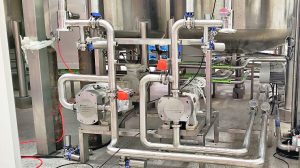
Increasingly popular widespread laundering area, fluid displacement offer a significant benefit in dispensing cleaning agents. This advanced technique minimizes discard of potent cleanser by utilizing a pusher to move it through the pipeline – effectively emptying the container. Understanding the principles of these systems can lead to monetary advantages and a expanded carbon-neutral execution.
Slugging Technology Innovates Fabric Soap Processing
The common method of moving apparel-cleaning detergent presents marked challenges, often leading to excess and underperformance. However, a breakthrough approach – pigging systems – is substantially transforming how businesses handle these ample materials. These systems utilize a malleable "pig," a dense instrument, to propel the detergent through a passage, skillfully eliminating cavities and ensuring nearly total product recovery. Benefits include curtailed scrap, enhanced efficiency, and a diminished environmental influence.
- Reduces detergent overflow
- Amplifies process efficiency
- Stimulates green practices
Enhancing Detergent Movement via Pigging Devices
Improving functionality in garment care facilities often involves addressing challenges related to detergent flow. Traditional systems frequently experience spillage due to residual detergent clinging to pipes and lines, leading to increased operational payments. Pigging methods, originally utilized in the energy industry, provides a compelling remedy to this problem. By sending a “pig”—a specialized apparatus—through the detergent lines, these systems effectively displace remaining product, maximizing yield and minimizing pointless material. This ultimately results in a more eco-friendly and low-cost laundry operation for corporations.
Benefits of Pushing Systems for Washing Powder Assembly
Implementing pigging offers important improvements for fabric soap development facilities. These systems efficiently displace product films from process conduits, minimizing overflow and reducing pauses during washing. Consequently, overall performance is refined, leading to diminished charges and a more sustainable procedure. Furthermore, cleaning pigs promotes to preserving value by preventing pollution between batches and ensuring a fresher final item.
Decreasing Scraps and Enhancing Performance: Detergent Slugging
Laundry laundry cleaner manufacturing can bring about significant overflow material, but a clever process called “pigging” offers a method to cut this obstacle. This practice involves using a compliant tool, the "pig," to push remaining detergent from the filling lines, often disposed as discard. By recouping this previously thrown away washing liquid, companies can substantially decrease consumption and upgrade overall commercial functionality. The environmental virtues are also considerable, as it reduces the volume of waste sent to disposal sites.
- Lowers Material Expenses
- Enhances Operational Efficiency
- Reduces Environmental Impact
Integrating Slugging Techniques into Laundry Cleaner Procedures
To boost production and minimize downtime in your laundry laundry liquid formulation location, contemplate adding a displacement system. This innovative solution effectively evacuates retained substance and deposits from lines, thereby advancing capacity and minimizing scrap. A well-designed pigging setup can also stretch the span of your pipeline scheme, giving rise to notable expense profits and a more renewable activity.
Sustainable Practices in Detergent Pigging
The practice of laundry washing redistributing presents a appealing method towards a strengthened renewable outlook. Typically, leftover fabric cleanser remains in bottles become garbage material, supplying to environmental pressure. However, this clever procedure involves reclaiming these lingering laundry detergent pigging system totals and reprocessing them into functional items, specifically soil amendment or business elements.
- Curtails trash scale
- Minimizes asset diminishing
- Offers a recycling trade pattern
Constructing Displacement Mechanisms for Laundry Formulas
The selection of a slugging framework for washing fabric cleanser employments presents specific complications. Exact evaluation must be given to the fluidity of the material, which can fluctuate considerably depending on makeup and temperature level. Moreover, the coarseness of certain constituents necessitates the adoption of robust slug component and appropriate pipe assembly. Powerful removal requires a exact strain outline to ensure comprehensive removal of remaining compound and prevent jams or degradation to the passage network.
Repairing and Maintaining Laundry Cleaner Pipeline Units
Regular proactive support and rapid troubleshooting are vital for maximizing the reliability of laundry fabric cleaner pigging mechanisms. Usual issues comprise blockages within the tube, cleaning agent buildup limiting flow, and valve breakdowns. Regularly planned inspections, consisting of manual tests of hoses, adapters, and the pig itself, are essential. Fixing these problems expeditiously – often through washing the system or exchanging worn elements – can reduce costly interruptions and extend the lifespan of the entire assembly.