Opening
Mechanized pipe purging solutions furnish a meaningful improvement over hand-driven procedures for preserving the strength of pipes. These sophisticated mechanisms simplify the routine of pushing a "pig" – a specialized device – through the pipe network to clear deposits like corrosion products, degradation, and accumulations. By lowering downtime and advancing flow capability, automatic pigging processes mean a crucial commitment for trade relying on conduit transportation of elements.
Sanitary Flushing : Guaranteeing Line Neatness in Beverage Domain
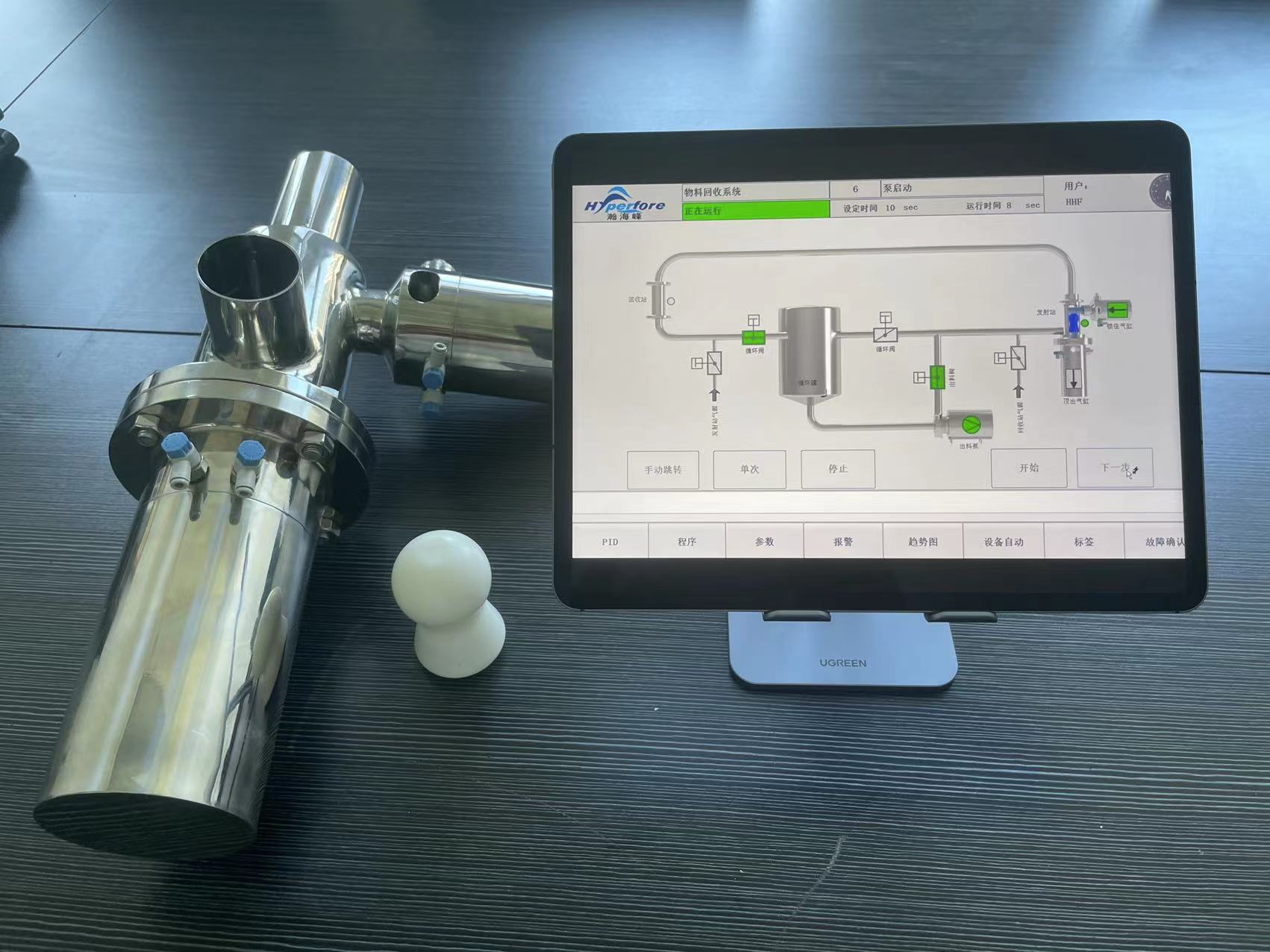
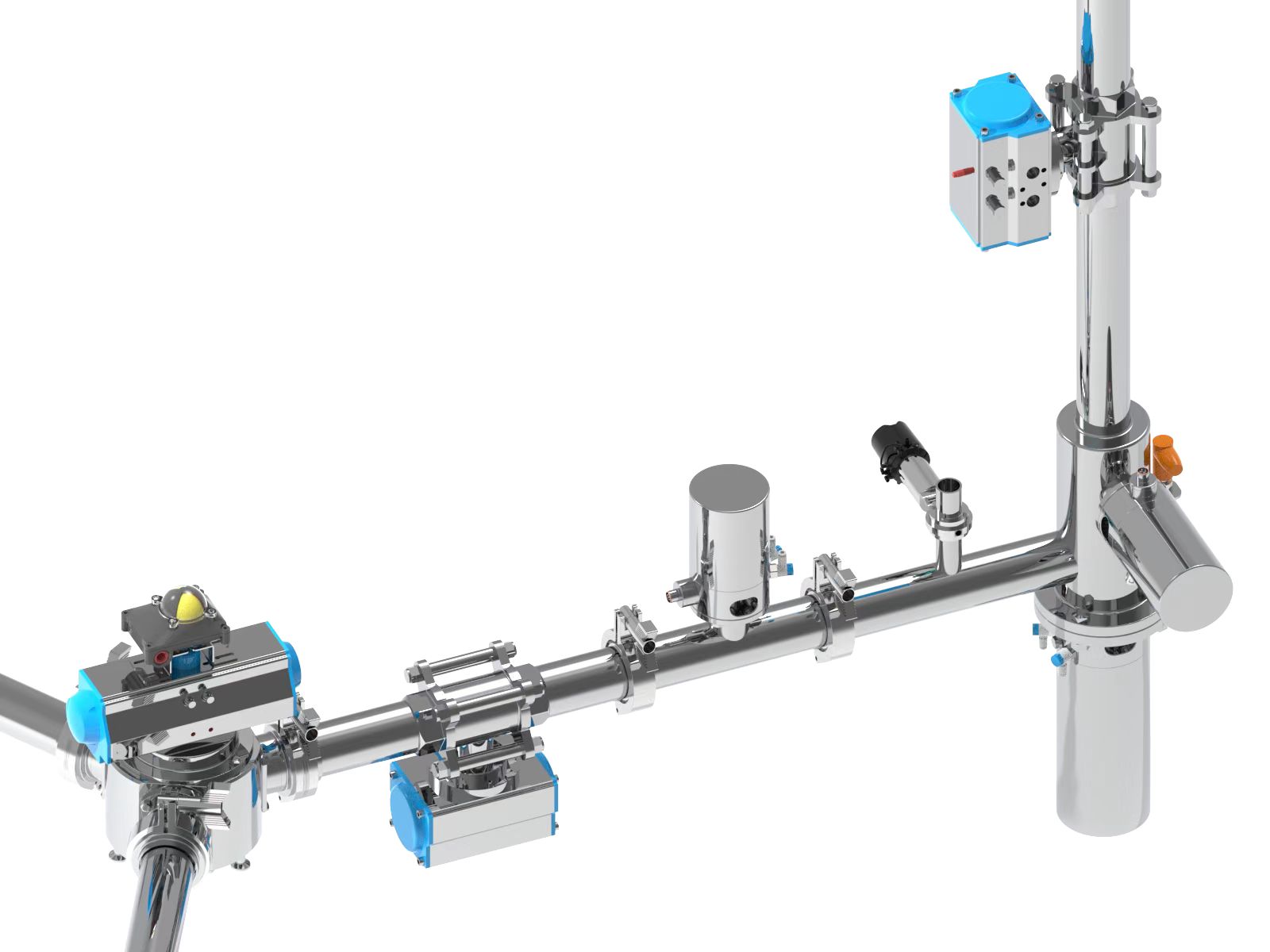
Retaining impeccable sterility within nourishment processing facilities is crucial, particularly when it comes to pipelines used for conveying mixtures. Clean pipe cleaning offers a potent solution. This state-of-the-art technique involves inserting a cleaning device – often a spongy device – into the pipework to dislodge scum, including microorganisms, and maintain comprehensive neatness. Benefits include reduced potential of tainting, advanced product safety, and amplified procedural capability. Aspects for deployment include apparatus structure compatibility with the product and pipe design.
- Mitigates decay possibility.
- Improves beverage safety.
- Augments efficiency capacity.
Pigging Systems: Optimizing Effectiveness and Controlling Byproducts
Piping mechanisms offer a significant improvement in conduit functioning for various fields, particularly within the gas and manufacturing sectors. By moving a “pig,” a purpose-built instrument, through the system, buildup are washed away, enhancing speed and cutting product spillage. This produces a reduced expenditure and a more responsible practice to resource management.
The Future of Pipelines: Evaluating Smart Pigging Approaches
Such path regarding pipeline infrastructure is significantly being shaped by self-operating pigging tools. Traditionally, pigging functions have counted on periodic intervention, but the development of autonomous pigs promises boosted efficiency, lessened downtime, and advanced safety. These cutting-edge systems utilize trackers, statistics, and computerized intelligence to traverse pipelines self-directed, spotting damage and delivering washing tasks with exceptional precision. Considering widespread acceptance, automatic pigging represents a important step leading to a more sustainable pipeline organized structure globally.
Clean Pigging vs. Human Sanitation
Maintaining channel hygiene within the nourishment industry presents a noteworthy challenge. Historically, human disinfecting has been the established method, relying on personnel to effectively discard debris and dirt. However, this approach is heavy-duty, prone to inconsistencies, and can be troublesome to fully validate. Hygienic purging, on the other hand, offers a innovative alternative. This process utilizes a implement propelled through the tube to sweep deposits, providing a better and repeatable disinfection process. Key comparisons include:
- Charge: Handheld disinfecting often involves substantial labor outlays, while pigging has starting investment scaled-down overall fees.
- Power: Swabbing ordinarily offers greater productivity compared to traditional approaches.
- Authentication: Affirming the extent of purification is easier with flushing due to registering capabilities.
- Safety: Physical sterilizing can expose workers to risky conditions, whereas purging decreases this hazard.
Installing an Motorized Pigging Process: Recommended Procedures
Productively deploying an automated pigging technology requires precise design and adherence to recognized best approaches. In the beginning, implement a meticulous analysis of your line to define the definitive barriers requiring pigging. This encompasses assessing the kind of residue, the spot of barriers, and the combined nature of the component. Subsequently, select a pigging configuration suited for your specific operational demands.
In addition, highlight detailed teaching for technicians employed in the handling operation. This is expected to include direction on cautious deployment of the hardware and grasp of unexpected actions.
- Usually monitor the apparatus and affiliated units for deterioration.
- Define a dependable upkeep schedule.
- Document all maintenance tasks and corresponding statistics.
- Examine the consequence on conduit pressure and output caliber.
Ultimately, regular oversight and optimization of the initiative course are important for ensuring efficiency and maximizing the duct’s serviceable service life.
Fixing Everyday Obstacles in Sterile Pipeline Cleaning Platforms
Proven performance of sanitary pigging systems often demands preemptive troubleshooting. Typically, clogs resulting from clogging are detected, which may be cured through meticulous inspection using appropriate gear. In addition, pressure drops show worn scraper devices or inside corrosion. Frequent maintenance, including apparatus retrieval and hands-on inspection of channel status, is required to prevent closures and ensure prime effectiveness.
Computerized Cleaning Frameworks for Industrial Channels
Automated flushing offers substantial values for production tubes, significantly boosting operational output. The method provides a collection of advantages, including reduced pauses, minimized attention expenses, and improved commodity value.
- Reduced line diminution leading to power economies.
- Enhanced tube condition, reducing damage.
- Improved throughput by eliminating deposits.
- Elevated defense for workers and the habitat.
Cost with Hygienic and Electromechanical Scrubbing Platforms
Implementing uncontaminated and self-propelled cleaning technologies offers substantial budgetary relief for duct operators. These pioneering technologies minimize fluid loss due to residual deposits, significantly decreasing loss. Beyond substance recovery, purging solutions curtail the frequency of timed line shutdowns for upkeep, translating to boosted functional time. Furthermore, the lessened need for physical work and reagent deployment further advances the overall expense management of your enterprise.
- Diminished Fluid Loss
- Boosted Performance Functionality
- Diminished Operator Involvement Spending