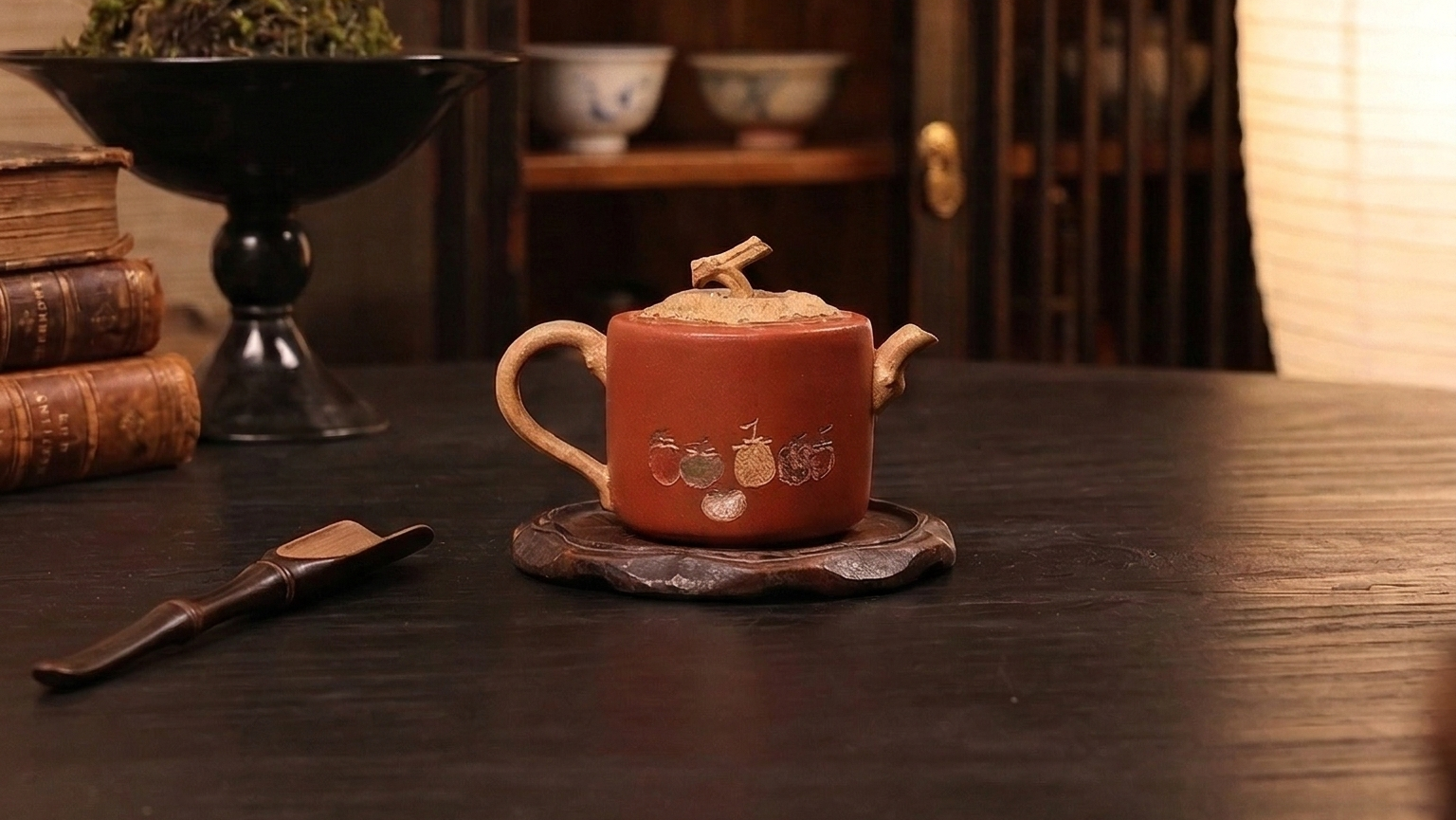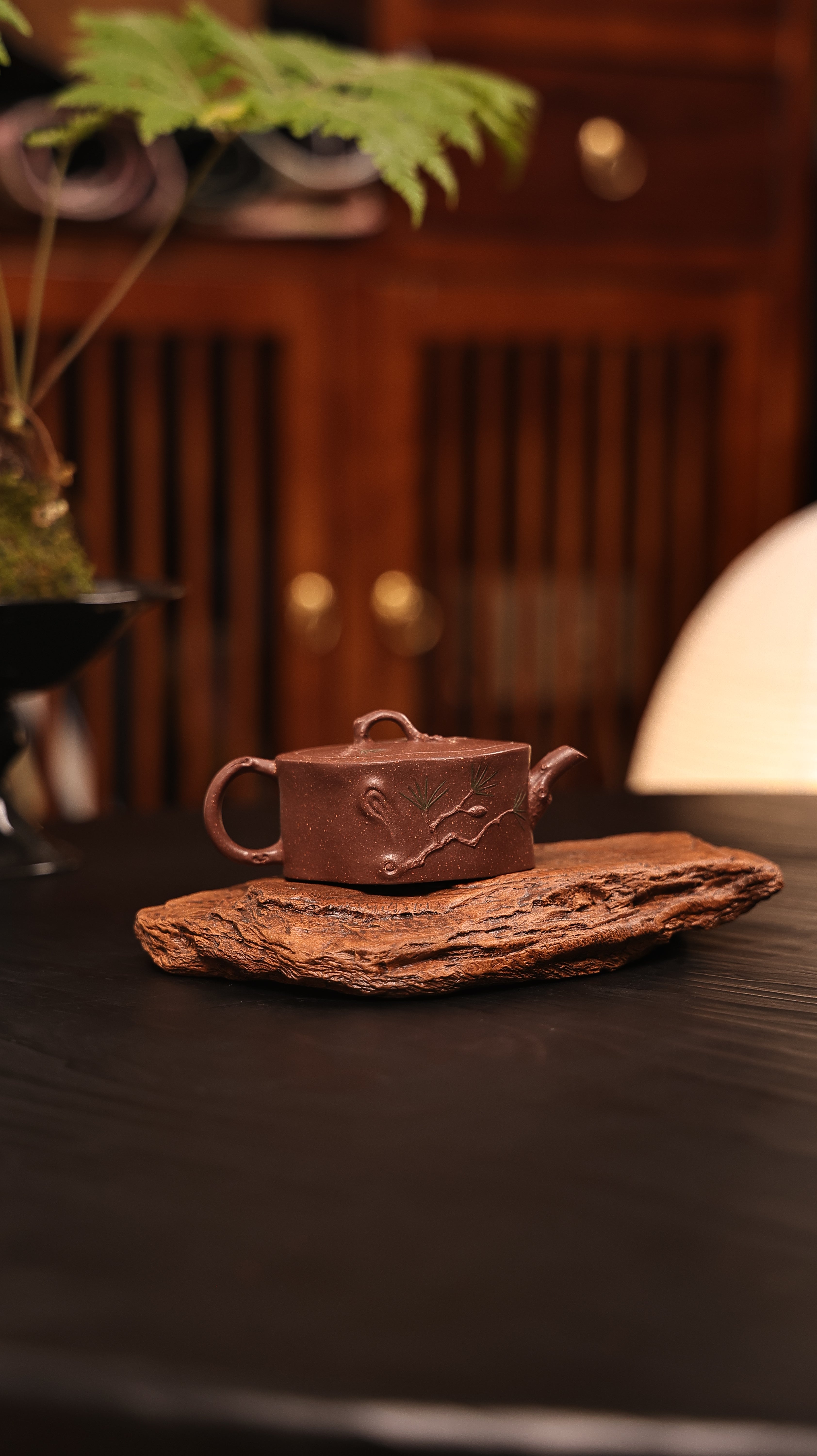
Starting your thorough inspection in relation to 宜兴 Tz'u Sha clay pots offers one gripping alloy involving know-how accompanied by serviceability.
Eysing Tzu Sha porcelain pots boast exclusive peerless attraction regarding collectors globally. Certain notable ceramic vessels, coming from the distinct Ihsing locale of Jiangsu area, China, represent more than just tea utensils; they are considered works of beauty and ancestral significance. Distinct finely prepared clay, known called Zisha, imparts a delicate flavor inside the tea, and the intricate designs, often reflecting traditional Chinese imagery, enhance their essential value. Acquiring a genuine Yixing Zisha teapot provides a worthwhile journey, involving careful examination and an understanding of the countless factors influencing its scarcity.
Uncovering Yixing Pottery
Ihsing teapots boast a colorful heritage deeply interwoven with Chinese heritage. Originating in Yixing, Jiangsu division, these earthenware are crafted from a unique, porous purple earth found only in that singular location. Their formation began during the Ming dynasty, with master craftsmen refining the processes over periods. Distinct types are found, including the classic Hexiang (resembling crab shells), Zhuni (red-brown hue), and Duan Ni (stone-studded) – each with distinctive qualities. The price of an Yixing tea container isn't solely based on its size or design, but also on the craftsman’s reputation, the substance's quality, and the vessel’s Yixing Teapot age and condition. Collectors often seek out older examples, believing they accumulate the flavor of the drink brewed within them over time, further adding to their reputation.- Antique Clay Pots
- Chestnut Clay Pots
- Mineral-Stippled Teapots
Zisha Teapot Mastery: Craftsmanship & Approaches
A making of Zisha teapots represents a zenith of Chinese ceramic craft. Seasoned artisans employ longstanding techniques, often passed down through heredity, to unlock the full capability of this unique clay. Processes involve meticulous modeling by hand, often combined with the stacking method, followed by precise kilning at incredibly elevated temperatures in wood-fired kilns. Beautifying is equally crucial; potters utilize natural clay colors and may incorporate engraving work to depict intricate scenes or patterns, demonstrating a profound awareness of the material’s qualities and expressiveness. The completed teapot isn't merely a vessel for tea, but a testament to a deep cultural inheritance.
The Tea Containers: One Insight to Issing Zi Sha
Discovering the world of Traditional teapots commonly begins with Yixing Zisha. These singular clay pottery vessels are crafted from a specialized type of clay discovered only in the Yixing region of the Jiangsu province. Celebrated for its distinctive reddish-purple hue and fine characteristics, Zisha clay imparts a nuanced flavor to the elixir and advances with age, evolving into a cherished collectible. Acquiring Yixing Zisha clayware is more than just retaining a gorgeous object; it’s a tribute of ancestry and artistry.
Exploring such Clayware: Validity & Increase
Exploring the domain of Yixing Zisha ceramics can be highly worthwhile, but involves a discerning insight. Sincerity is indispensable; multiple counterfeits are available, commonly expertly fabricated. Training about ancestral curing systems, characteristic earth qualities, and the markings of acclaimed fabricators is fully fundamental. In addition, grasping the details of the rise pattern – influenced by conditions such as cultural weight and the appearance of the piece – is fundamental to advantageous assembling.
- Examining kiln history.
- Approaching professionals for verification.
- Comprehending auction behavior.
Such Discipline of Creating with a Earthen Teapot
Such unique allure of a Zisha apparatus lies not just in its exquisite appearance, but also in its illustrious impact on the taste of the brew. These traditional clay ceramic pots, sourced from specific regions of China, possess a fundamental porosity that subtly interacts with the substance and leaves, imbuing the libation with a gentle character. Mastering the approach requires a attentive approach, understanding how the mineral responds to diverse heating regimes and floral types, ultimately leading to a actually rewarding brewing event.
Yixing Teapot Care: Preserving The Relic
Proper management of your Yixing pot is critical to protecting its viability. These distinctive teapots, crafted from unique Yixing clay, manifest a character over years that increases their appeal. Occasionally rinse the inner area with pure water, avoiding soap-based cleaners, and never use strong scrubbing tools. Sporadic gentle polishing with a smooth cloth can help in taking off patches. Allow your vessel to totally dry before each serving
Unveiling Zisha: Reasons Particular Kettles Stand for Exclusive
The renowned appeal of Yixing teapots derives from the specialized properties of Zisha clay, mined solely near Yixing, Jiangsu. This distinct clay, consisting of ferruginous ceramic , holds a atypical combination of components that, as time passes, incorporate the character of the tea it steeps. This produces a exceptional bouquet for each teapot, allowing it a significance far exceeding its beginning price and assisting to their highly prized status among connoisseurs.
Discovering the Optimal Classic Earthenware: A Stoneware Outline
Venturing into the world of Purple clay teapots can feel overpowering, but understanding the basics is key to choosing a prized piece. This type of clay, sourced mostly from the Yixing zone, Jiangsu locality, is noted for its peculiar feel and ability to boost the taste of the tisane over use. Review the profile, the cast, and the style; a original Zisha teapot is more than just a canister; it's a beautiful creation and a illustration of oriental culture. View the symbol of the fabricator for clues to its history and potential worth.