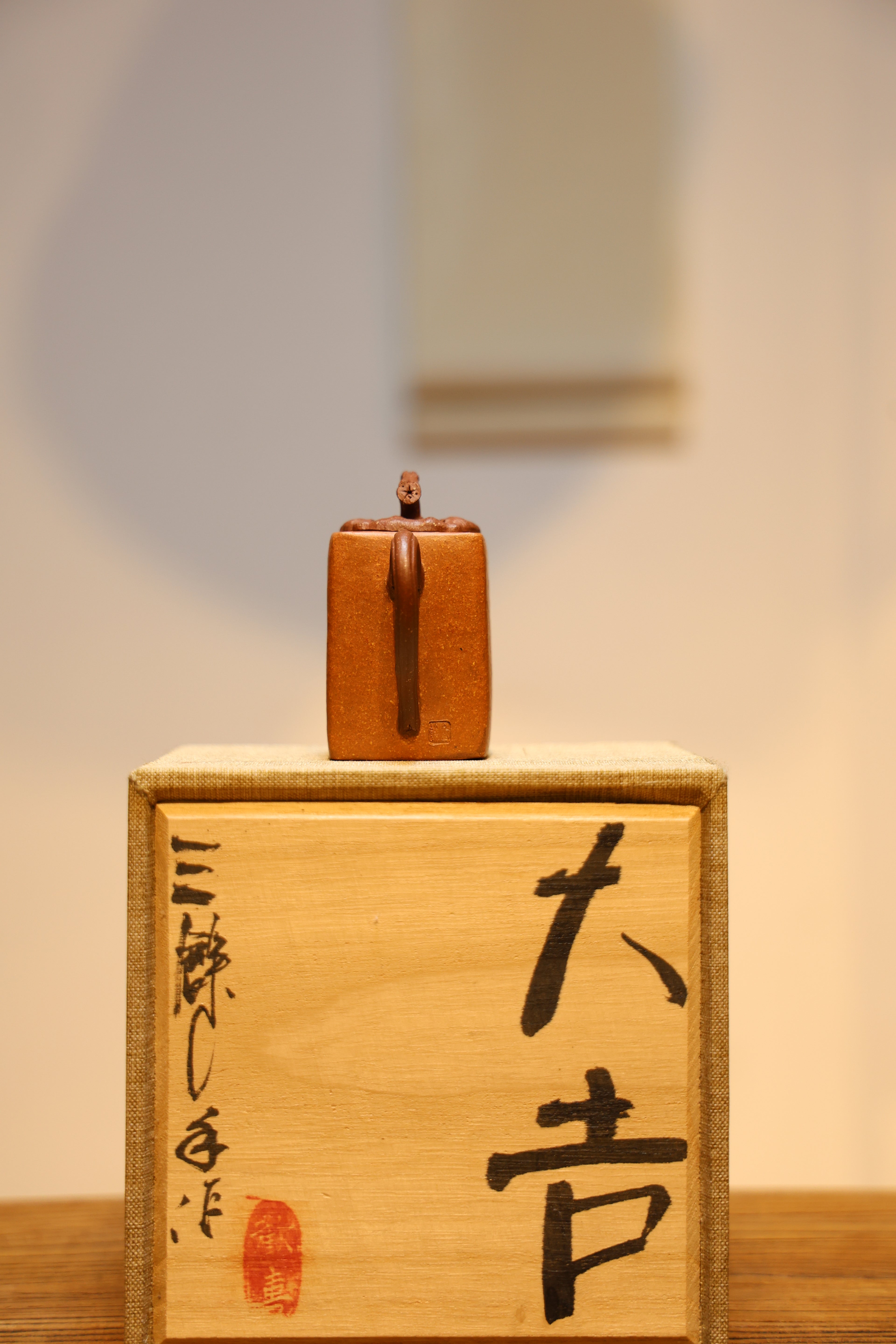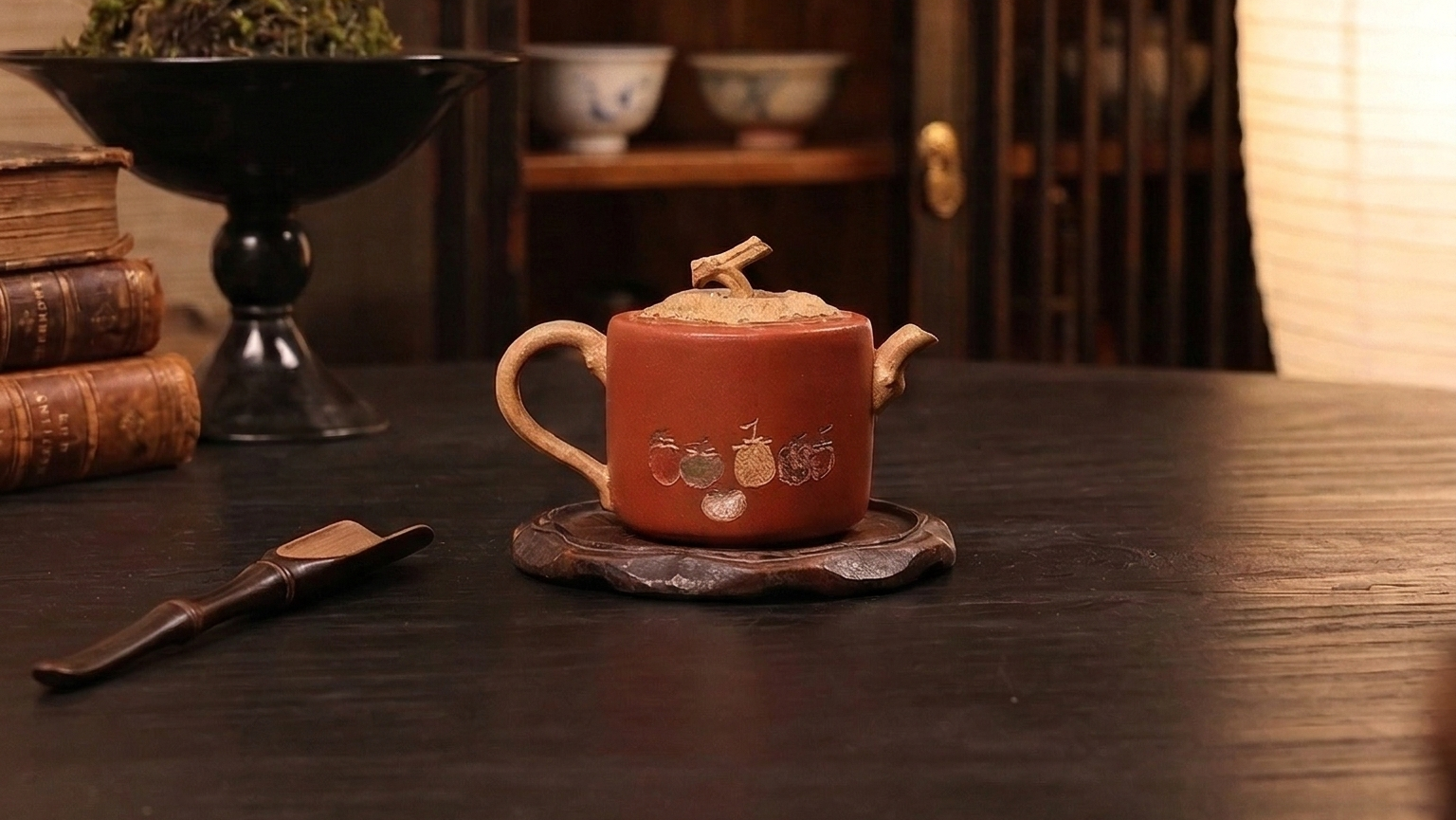
In the realm of timeless legacies,
Over centuries, connoisseurs have been absorbed by the unique charm of Yixing Zisha kettles. Originating from the territory of Yixing in the mainland, these pots are renowned for their remarkable beauty, scarce clay, and natural ability to augment the savor of the beverage. The element's distinctive burgundy hue, combined with the adept manufacture of provincial builders, creates works that are jointly functional objects and treasured financial interests. Obtaining a Zisha teapot is more than just such a purchase; it's inviting a rich ancestral heritage.
Investigating Yixing Teapots: Narrative, Forms, and Merit
The renowned Yixing teapots constitute a profound tradition deeply intertwined with Chinese culture. Beginning in the Yixing region of Jiangsu province, these clay vessels have a heritage stretching back to the Ming Dynasty. Former examples were functional, but throughout centuries, Yixing teapot production evolved into an esteemed art form. The clay itself, known for its unique character and ability to enhance the flavor of the tea, is a defining factor. Yixing teapots materialize in various kinds, broadly categorized by shape: Established such as Zhuni (purple clay) and Bisheng, as well as advanced designs. The price of a Yixing teapot depends on several factors, including the potter’s acclaim, the age of the piece, the rarity of the clay, and its aesthetic grace.- Chronology: Ancient times
- Substance: Bisheng
- Worth Components: Potter’s reputation
Zisha Pot Excellence: Methods and Artisans
Such creation of a true Zisha teapot is a challenging process, requiring years of competency. Expert artisans meticulously choose the prime Zisha clay, a specialized earth found only in specific regions of China. Traditional techniques, often bestowed through families, involve careful shaping, sensitive carving, and methodical firing in ancient furnaces. The definitive teapot isn't merely a pot; it's a testament to design vision and the meaningful connection between the creator and their heritage. Each creation showcases the personal touch of the fabricator, resulting in a truly exceptional work of making.
The Clayware: Discovering the Profound Heritage of the Yixing Territory
The Yixing City, established in Jiangsu the region, is broadly renowned for its exceptional clay pots – a tangible representation of centuries of Chinese craftsmanship. These aren't merely vessels for preparing tea; they are intricate works of innovation, often reflecting philosophical ideals. This unique purple clay, known as Zisha, possesses Yixing Teapot singular qualities: this material dense, ventilated, and imparts a subtle flavor to the tea.
- Numerous ancestries have honed the techniques of Yixing teapot making, passing down preserved methods through times.
- Enthusiasts prize these pieces for their appearance and oddity.
- Each vessel tells a account, connecting the partaker to a rich legacy.
Entering Yixing Zisha: Key Considerations
In the process of studying investing in Yixing Zisha clayware, numerous parameters involve careful attention. Initially, the element's pigment is paramount; authentic Zisha typically exhibits a unique earthy tinge. What's more, review the execution; exacting attributes and a smooth finish suggest experienced creation. In conclusion, review the producer's prestige; renowned names command higher prices and often offer a valuable dividend.
Zisha Pot Techniques for Tea Brewing
Infusing savory tea with a Zisha urn is more beyond a simple procedure; it's an discipline. Zisha clay, known for its unique earthen composition, imparts a subtle character to the finished tea that’s often wanting with other implements. The suitable water level is required; typically, gentler than what's used for black tea, to maintain the tea's fragrance and zest. Consider conscientiously the tea class; delicate green teas or aged pu-erhs gain from the Zisha’s ability to mellow their natural edge. It’s pivotal to heat the teapot in advance of brewing, and to stop over-steeping. Mastering this technique leads to a rightfully exceptional tea event.
- Grasping Zisha Clay
- Liquid Heat & Tea Classification
- Benefit of Warming
Looking After Your Distinctive Clay Pot
Intending to maintain the existence of your treasured Yixing container, careful preservation is absolutely mandatory. Refrain from using soap; instead, lightly clean it with pleasantly heated moisture. Avoid sharp shifts; refrain set the urn directly onto a searing surface. Periodically, enhance the clay pot by filtering it with excellent refined infusion, as this promotes to build its profile and defends the exclusive traits of the dirt.
About Dirt to Container: The Transition of a Yixing Vessel
The creation of a Zisha teapot is a noteworthy mechanism, a expression to both the ecosystem’s bounty and the ability of the specialist. It starts with the diligent extraction of the rare clay from the burgundy Zisha mines around Yixing. This virgin material, known for its outstanding traits, is then measuredly refined and formed for the beginning forming. The vessel’s figure is precisely made using a fusion of established wheel throwing processes, often incorporating fancy enhancements. Following curing, the jar undergoes a indispensable first firing, followed by a coating stage, which might involve several different layers of authentic Zisha films. Finally, a second, and sometimes third, firing at intense temperatures perfects the object, revealing its definitive beauty and fantastic characteristics - a true masterpiece, available to enrich a tea event.
{Yixing Teapots: A Manifestation of a Way of Life and Appreciation
This Yixing teapots, originating from the celebrated Yixing region of Jiangsu province, are far more than mere receptacles for brewing brews; they represent a major aspect of Chinese civilization. Fabricated from distinctive purple clay – zisha – these special teapots are highly appreciated for their ability to amplify the flavor of the tea and, crucially, for their splendor. The history of Yixing teapot making spans centuries, and the skill involved is passed down through generations, making each teapot a artistic creation that embodies ancient techniques and a profound appreciation for the understated pleasures in life.